

Long time CA political prostitute on his way out proposes bill that would force VPNs and DNS server providers to block sites, and good VPN providers have their own DNS servers for users. This is extremely interesting as I have a post with an interview with the CTO of Quad9 who provides privacy respecting DNS servers, who was being sued to block DNS resolution of sites. The first lawsuit was in Germany by Sony which they won, but the angle being pursued was copyright violating sites, with a new lawsuit in France. Consequently, anyone can run their own recursive DNS server that goes out to the authoritative DNS provider which is excluded in this bill, and I run my own Pi-Hole/Unbound recursive DNS servers here on my home network with ad, telemetry and malware blocking. And you can install these on your computer as well, especially easy with Linux. This is really about the government having the ability to block sites for the coming censorship, digital ID and agentic AI spyware that will be forced upon internet users. Right now they’re working on age verification and DNS blocking, though they’ve talked about the other angles of their internet crackdown.
https://reclaimthenet.org/us-bill-would-let-courts-order-vpn-site-blocking
Europe’s blocking experiments offer a preview of the collateral damage critics should fear for the US.
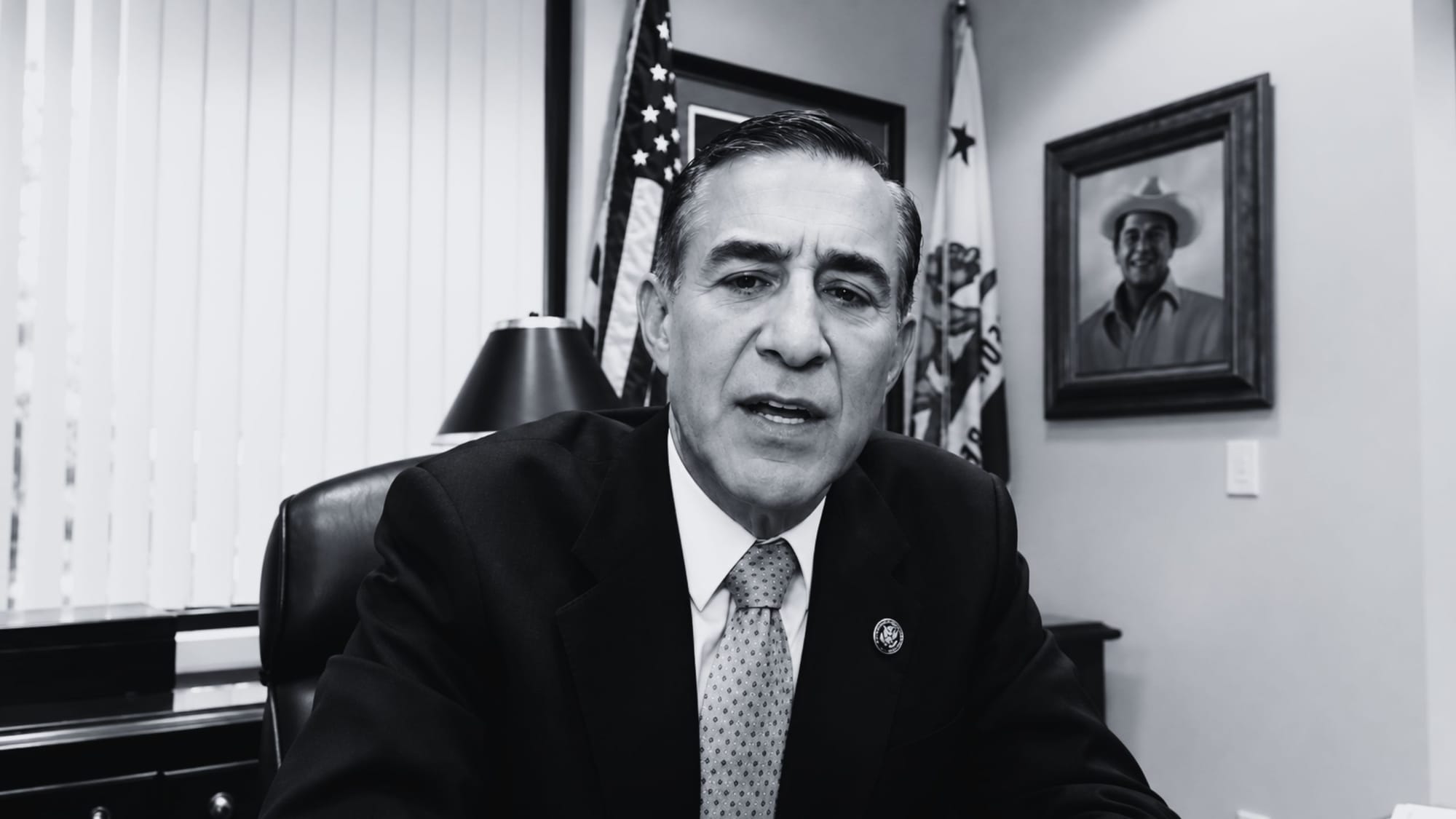
By Dan Frieth
A US congressman has introduced a bill that, if it becomes law, will write into US statute the ability of courts to order VPNs and DNS resolvers to block sites.
The American Copyright Protection Act of 2026 was introduced by Rep. Darrell Issa (R-CA), and the text of the bill, dated September 14, was referred to the House Judiciary Committee.
For the first time in the US, a site-blocking bill mentions VPNs by name. The definition of “service provider” now “includes providers of broadband internet access services, providers of domain name resolution services, and virtual private networks, but excludes root nameserver operators and top level domain registries.”
The bill, which was not yet posted, is sponsored by the congressman who chairs the Judiciary subcommittee on courts, intellectual property, artificial intelligence and the internet, and who is retiring at the end of this term.
The bill text states that the service providers it targets must have at least 100,000 monthly users or subscribers in the US. Excluded are those buying internet service in order to provide it to patrons or employees, such as airports, libraries, universities, or restaurants.
Copyright holders would have to first ask a court to declare that an online location is a “foreign piracy site” – on a preponderance of the evidence. Once that is done, they can petition the court to issue an order that service providers block the site.
Those targeted in this way would have 14 days to object, but judges can speed up or slow down the process, depending on the circumstances – such as to block live sports broadcasts inside the time they are taking place.
Judges will also be able to volunteer to be on a special docket for these cases, and the Judicial Conference of the US will have to maintain the list of those judges, and publish it on the website of the Administrative Office of the US Courts.
Issa said during a June 30 hearing that rightsholders “have raised concerns with the speed” of the current system of taking down content from the internet via DMCA notices. And then he asked, “Can we do it at the speed of sound? Can we do it at the speed of light? More importantly, in a 45-minute or sometimes a fraction of that live sports broadcast, can we do it soon enough to make it no longer profitable for those who pop up and sell their clandestine wares?”
The congressman has previously linked online piracy with financing of terrorist groups and criminal networks.
Issa is not alone in trying to push through site-blocking legislation. There are at least two other efforts, one of which is the Foreign Anti-Digital Piracy Act, introduced by Rep. Zoe Lofgren (D-CA) in January 2025. In July of the same year, the Block BEARD Act was presented by two Democratic and two Republican senators.
The latest bill has been met with criticism from digital rights advocates, such as Re:Create’s Brandon Butler, who called it “anything but American” and warned that forcing infrastructure providers, DNS resolvers, and VPNs to filter internet traffic would put user privacy at risk and cause “catastrophic collateral damage to the open web.”
Meredith Rose of Public Knowledge (a group that has previously called for more government regulation of the internet and media) criticized the proposal for potentially allowing one court to “cut off access to a website globally, based on a single individual’s filing and an expedited procedure.” Rose also warned that overblocking could have the same effect as it did in Europe, where it has brought down “digital infrastructure for hotels, car mechanics, retail shops, telehealth programs, and even a nunnery.”
In Europe, over 500 non-streaming sites have been blocked by Italy’s Piracy Shield, including a Catholic convent and a telehealth platform, while in Spain, the system used to protect LaLiga matches has blocked 5.8 percent of the popular internet, taking down sites like those of Harvard University and Greenpeace, according to Re:Create. University of Twente researchers reported in September 2025 that at least “hundreds of legitimate websites [were] unknowingly affected by blocking” under Piracy Shield.
The Motion Picture Association (MPA), which has been pushing for site-blocking for years and gave Issa an award last year, said in a letter in June that more than 50 countries already have site-blocking regimes, while “the United States still lacks a site-blocking mechanism to combat digital piracy.” The MPA has not commented on the new bill.
The latest bill also deals with what happens when sites are overblocked – that is, when the wrong ones are blocked by courts or service providers. In that case, the affected party can file a motion to “cure a defect,” but first, they must enter an appearance and submit to the court’s jurisdiction, serve the copyright owner and every service provider, and wait for their response. Then, they must certify that they are not the piracy site they have been accused of being and are not affiliated with it.
If the motion succeeds, the court may award damages to the overblocked party, but only up to $250,000, and only if they can prove that the copyright owner was responsible for the error.