

Consequently, I’m a big Mikrotik fan, having a router and separate wireless access point to replace my Ubiquite AP. And a lot of the Mikrotik gear supports alternative firmware, but I find their firmware and configuration application, along with frequent firmware updates, to be great on their own. And I just got a new update this morning, and worth pointing out Mikrotik sells a lot of routers and switching equipment to ISPs so they keep their firmware secure by necessity. So it’s a good time to upgrade that foreign made gear before this ban kicks in. And being conspiratorially minded, beyond just promoting US businesses and manufacturing, will this factor in with the big cyber false flag the WEF has been warning us about (see second video)?
https://www.zerohedge.com/technology/fcc-bans-foreign-made-wireless-routers
By Tyler Durden
The FCC has banned the import of all new foreign-made consumer wireless routers, citing “severe national security risks”.
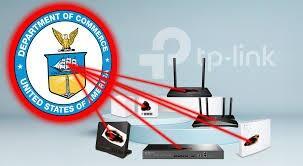
The decision, announced today, follows a White House-convened inter-agency review that determined these devices – primarily those manufactured overseas – pose unacceptable threats to US households, critical infrastructure, and the economy.
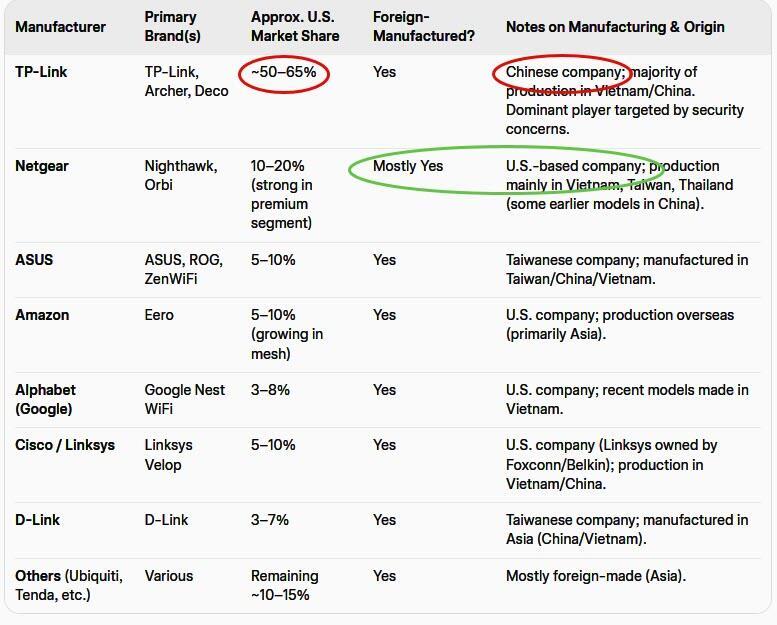
Major brands like TP-Link (which holds a dominant share of the U.S. market), Netgear, Google Nest, Amazon Eero, Cisco, Linksys, and Asus produce most models abroad, often in China, which controls an estimated 60% of the U.S. home router market.
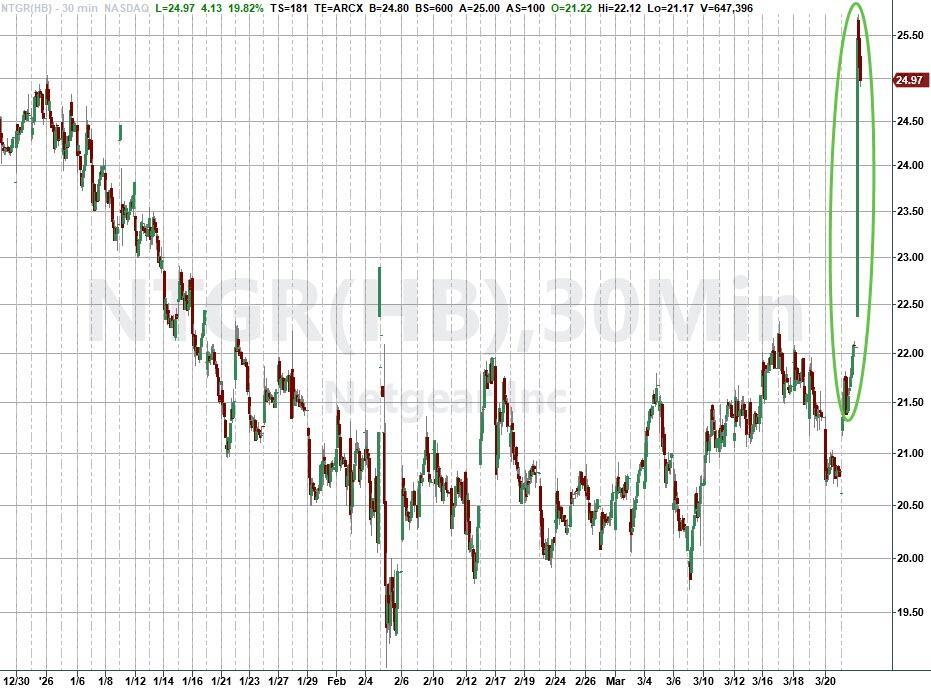
Interestingly, Netgear’s stock soared (presumably as a US company that has the potential to steal market share from TP-Link)…
The FCC highlighted how malicious state and non-state actors have exploited vulnerabilities in foreign-made routers for cyberattacks on American civilians, including espionage, network disruptions, intellectual property theft, and incidents linked to groups like Volt Typhoon and Salt Typhoon.
The ban applies only to new models manufactured outside the U.S., regardless of the company’s nationality, but does not affect routers already imported or in use.
Companies can seek exemptions through the Department of Defense or Department of Homeland Security if their products are deemed low-risk.
The move builds on prior FCC actions, such as the December 2025 ban on new foreign-made drones, and aligns with ongoing scrutiny of firms like TP-Link, which faces separate national security probes and a lawsuit from Texas over alleged deceptive marketing and data access risks.
Lawmakers, including Rep. John Moolenaar (R), chair of the House Select Committee on China, praised the order as a strong defense against Chinese cyberattacks.
“Routers are key to keeping us all connected,” he said, “and we cannot allow Chinese technology to be at the center of that.”
This policy could reshape the router market, encouraging domestic production or more secure alternatives while protecting against supply-chain vulnerabilities.
Existing devices remain unaffected, giving consumers and businesses time to adapt.
The Chinese Embassy has not commented.