

Sure, I’ll gladly add your Microsoft spyware to my computer after leaving Windows spyware for Linux. Though, this is subscription based service and for enterprise developers who are running Linux desktops, so more for corporate IT management with spyware most likely given the indentifying mentioned, clawing back some tracking of machines where Windows was removed. What’s interesting, Microsoft Defender is defeated pretty easily by a lot of malware when tested by security researchers. So best to practice good computer hygiene, and I’d be a lot more concerned about granting agentic AI access to your computer which is a favorite of lazy programmers these days. Linux Torvalds is hyping up AI and calling people that don’t use it stupid, but what about the proper auditing?
https://linuxiac.com/microsoft-wants-to-protect-your-linux-desktop-with-defender/
Microsoft launches a public preview of Defender for Endpoint for Linux desktops, offering enterprise-level malware protection and threat monitoring.
By Bobby Borisov
Yes, you read that correctly. Microsoft is bringing its Defender security software to Linux desktops. The company has announced that Microsoft Defender for Endpoint now officially supports Linux desktop environments, with the feature currently available in public preview.
And before anyone starts wondering whether Microsoft has suddenly decided that every Linux user needs antivirus software, there’s an important distinction. This isn’t the consumer version of Defender familiar to Windows users. Instead, it’s Microsoft’s enterprise security platform for organizations running Linux workstations.
According to Microsoft, the expansion is driven by the growing use of Linux desktops among developers. These machines often access source code repositories, cloud infrastructure, credentials, and other sensitive resources, making them attractive targets for attackers.
The idea is to give enterprise security teams the same visibility and protection across Linux desktops that they already have for Windows, macOS, and Linux servers.
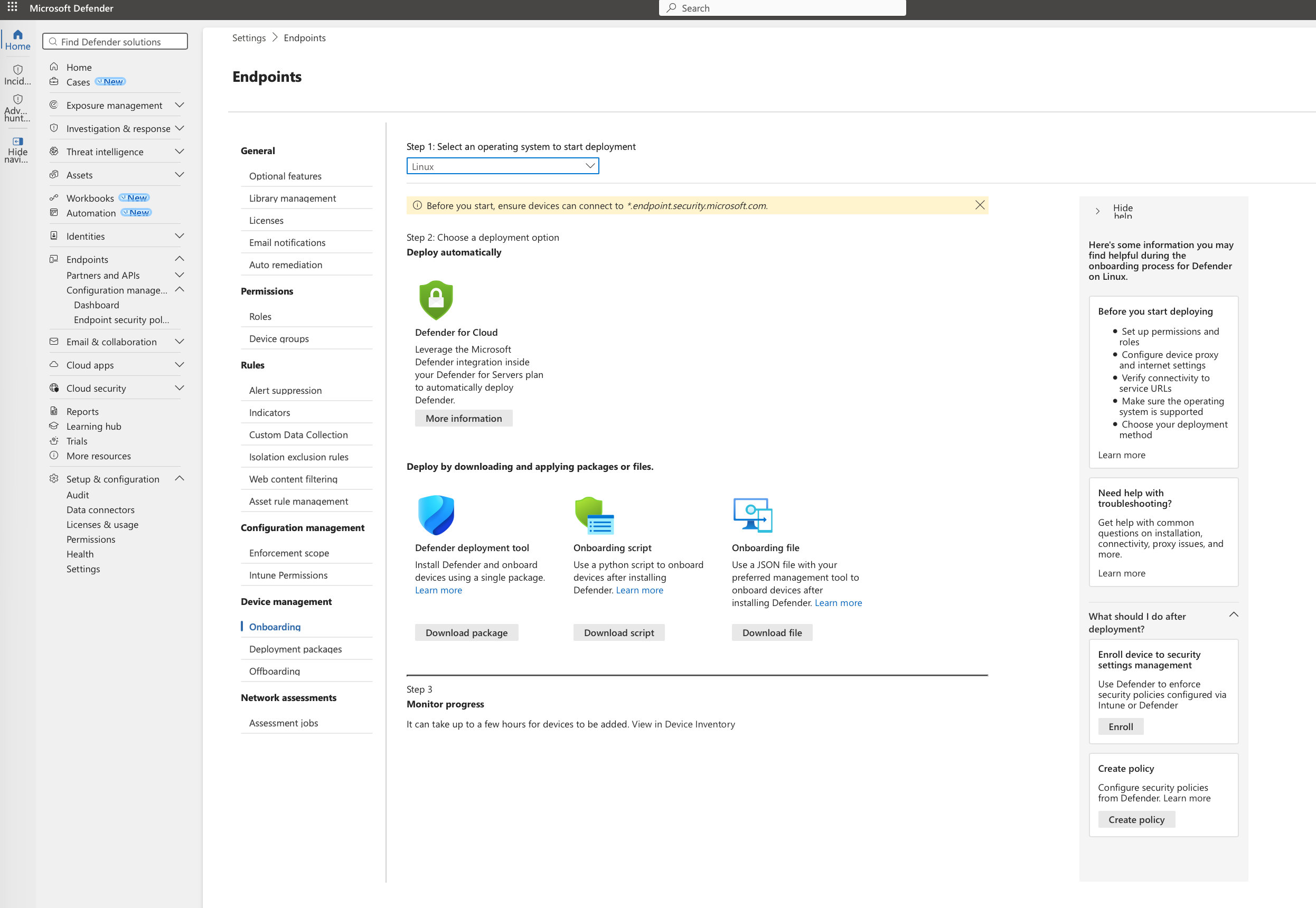
As for the capabilities, Defender for Endpoint provides real-time antivirus protection, endpoint detection and response, threat investigation, vulnerability management, and centralized security monitoring through the Microsoft Defender portal.
Security administrators can use these tools to investigate suspicious activity, identify compromised machines, and respond to threats without managing Linux workstations through a separate security platform.
Interestingly, Microsoft isn’t introducing a completely new Linux security agent for this purpose. According to its documentation, the desktop version uses the same deployment packages, installation methods, and security capabilities already available for Linux servers.
The supported distributions are also the same. The list includes Ubuntu LTS, Debian, Fedora, Red Hat Enterprise Linux, openSUSE Leap, SUSE Linux Enterprise, Rocky Linux, AlmaLinux, and several others.
Desktop environment choice doesn’t matter. Whether a workstation runs GNOME, KDE Plasma, or another graphical environment, compatibility depends on the underlying distribution and kernel rather than the desktop itself.
There’s also an interesting detail regarding device identification. Defender attempts to determine whether a Linux installation is a server or workstation using operating system metadata and other system characteristics. When it cannot reliably identify a machine as a workstation, it classifies it as a server by default.
Of course, Defender’s presence on Linux isn’t entirely new. Microsoft introduced its antivirus solution for Linux servers back in 2020, subsequently expanding its enterprise threat detection and response capabilities. What’s changing now is the official inclusion of desktop workstations.
Finally, it’s also worth emphasizing that this remains a public preview, not a generally available release. Organizations interested in deploying it will need an appropriate Microsoft Defender for Endpoint subscription and must meet the existing Linux system requirements.
For more details, see Microsoft’s official announcement.