

Is Saudi Arabia getting hung out to dry by the OCGFC, Owners and Controllers of Global Financialized Capital, rulers of the world? With their pipeline shut off, cutting off oil to the EU, their income from oil is going to dry up as well. They have been competing with the UAE around the region and Africa through proxy wars, and it’s my belief the Antichrist is the Crown Prince of Dubai. With the UAE fulfilling the prophecy of Revelation while also hosting the Abrahamic Family House. And their flag has the four colors of the horsemen of the Apocalypse along with several other Islamic nations, with Islam having a very suspicious mirror of Christian eschatology, with Antichrist being their Mahdi, messiah, and the false prophet being Isa, Muslim Jesus to show the Christians were wrong about him. They even have their own Antichrist that matches Jesus Christ’s Millennial reign after the judgement.
https://southfront.press/saudi-arabia-is-running-out-of-interceptors-and-help-is-not-coming/
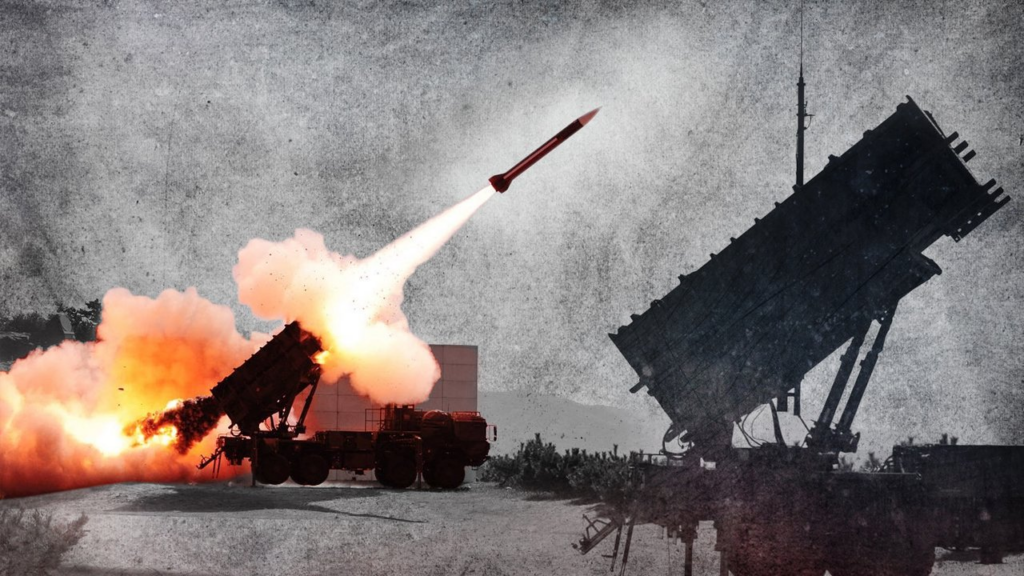
Saudi Arabia is running low on missile interceptors and has asked France, Britain, Pakistan and Egypt for air-defense assistance as the Houthis intensify attacks against the kingdom, according to two regional officials cited by The Associated Press on September 16.
The requests come after a series of attacks on Saudi territory and critical infrastructure during the past two weeks, adding pressure on a kingdom already dealing with disruptions to its oil export routes.
The United States, Saudi Arabia’s main arms supplier, is also facing shortages of missile interceptors after months of fighting with Iran.
The escalation intensified on September 8, when the Houthis launched a large missile and drone attack against southern Saudi Arabia. The attacks targeted areas including Jazan, Abha, Najran and Khamis Mushait, where Saudi authorities reported 73 people wounded and fires at oil facilities and utilities. The Houthis said they had targeted oil and military infrastructure.
Two days later, Saudi Arabia suffered another major blow to its oil infrastructure, although that attack was not attributed to the Houthis. Drones struck the East-West Pipeline, which carries Saudi crude from the Gulf toward the Red Sea port of Yanbu. Saudi Arabia blamed Iranian-backed militias operating from Iraq.
The Houthis continued attacking Saudi Arabia as they expanded their gains along Yemen’s Red Sea coast. By September 13, Saudi authorities were reporting incoming fire around Abha and Khamis Mushait, while the Houthis claimed missile and drone attacks against Saudi military positions.
The latest and most politically sensitive incident came on September 16, when Saudi Arabia said it intercepted a Houthi drone near Mecca. The Houthis denied targeting the holy city. Saudi Arabia declared Mecca a “red line” as condemnation spread across the region.
The attacks are occurring alongside the loss of Saudi-controlled routes for moving oil. The Houthis have seized territory and islands around the Bab el-Mandeb Strait, while fighting and attacks in the Red Sea have complicated shipping.
The East-West Pipeline shutdown has further reduced Saudi Arabia’s alternatives for moving crude to international markets.
Despite the Saudi requests for assistance, AP’s latest report revealed that no country had announced military support for the kingdom.
Britain confirmed its defense partnership with Riyadh but did not say whether it would deploy forces, while officials from Turkey and Pakistan said they had not received requests for military assistance. Washington has so far limited its role to intelligence sharing and planning support.
One of the regional officials who spoke to AP said Saudi Arabia is in a “very difficult position,” since it has to protect not only its military bases and vital government installations, but also oil facilities across the kingdom.
The second official said Saudi Arabia is also seeking to rally its international allies to launch a collective response against the Houthis. “But the decision now is to give diplomacy a chance,” the official said, adding that Oman and Egypt are leading efforts for de-escalation in Yemen.
All in all, Saudi Arabia’s military situation appears to be worsening, and support is clearly not arriving any time soon. In the face of this escalation, the kingdom’s best bet may be a diplomatic solution with the Houthis, which will likely include major concessions, such as ending the siege of Yemen.