

I’ve always been a fan of buying the OEM’s oil, as it was formulated for their engines with the proper additives, and they’re incentivized to limit warranty work. And last time at the Subaru dealership I picked up two jugs so I’m stocked for the next oil change. And a Subaru tip, they contract out the oil filters in the US and they’re inferior to the Japanese oil filters, so I purchase the Japanese ones from Ebay, though you have to be careful with counterfeits. Pick up a bag of washers and you’re stocked. Consequently, there are a lot of things that come out of the Middle East required in manufacturing, so we’ll probably see more things impacted over time as they keep the war shenanigans impacting shipping. And they’re using it to justify raising prices as well.
A Kirkland Signature oil change has nearly doubled in price, but that’s not the most concerning change to how Costco’s selling lubricants these days.
By Adam Ismail
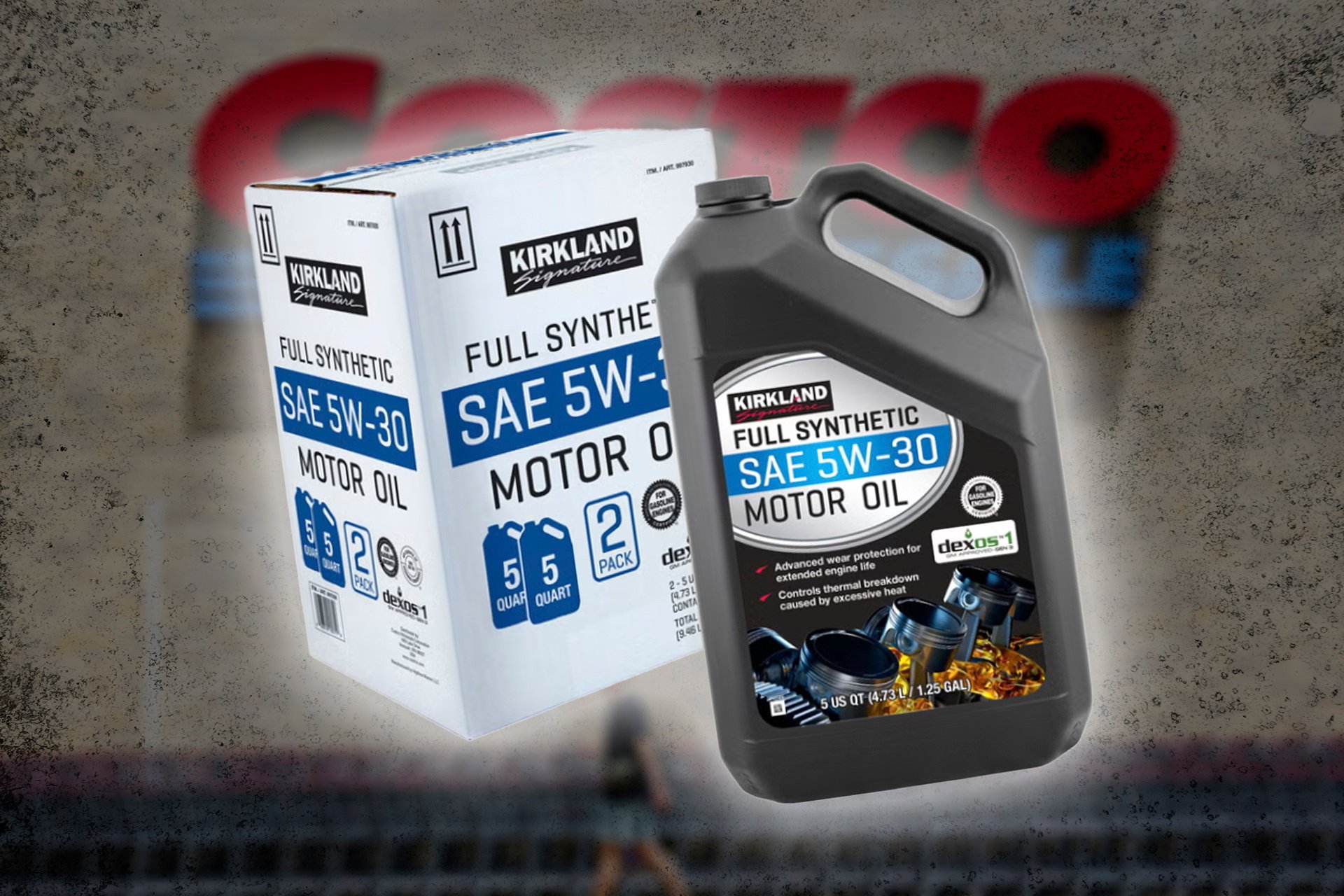
Here in 2026, everything is getting more expensive. So it probably won’t come as any great surprise that even Costco, the wholesale retailer renowned for low prices and letting you return practically anything, in any state of use, at any time, for any reason, has tightened its purse strings with regard to its own motor oil. Not only does 10 quarts of Kirkland Signature full-synthetic now cost $58 when it used to go for as low as $30, but stores are now imposing a two-per-customer, per-week limit.
The obvious culprit is supply—or, rather, a lack thereof. Demand remains strong as ever as global stock has dwindled due to our ongoing Middle East entanglement. As The Auto Wire highlighted in its own story unpacking the factors at hand, motor oil ultimately comes out of the same barrel that also gives us gasoline and diesel, and right now, refineries can earn more money finishing crude into gas compared to what Costco stocks on its shelves. We’re all getting the short end of the stick at the pump as it is, so it’s not difficult to imagine the pressure the motor oil market is facing.
In the background, though, this is more than a matter of simple economics. Over the years, oil chemistries have gotten more sophisticated to cope with the stresses of tinier engines pushing bigger boost while also mitigating their environmental impact. That’s led to more rigorous testing and higher standards, including a set of rules by the American Petroleum Institute that took effect at the start of the decade.
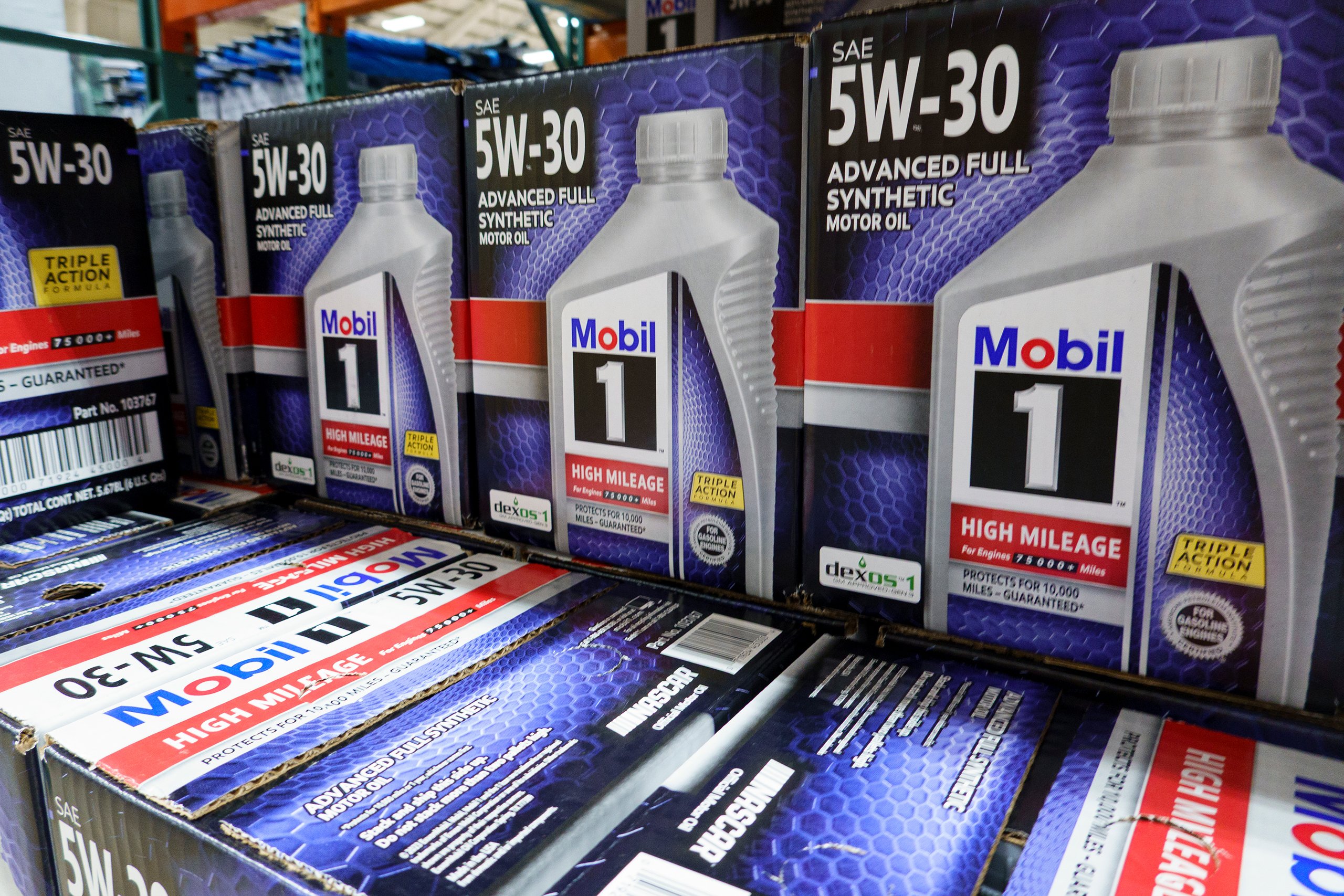
Plus, some companies—namely General Motors—have found clever ways to monetize that validation. Dexos is GM’s label that appears on Costco’s house-brand packaging. Any vendor that wishes to market their oil as Dexos-approved, which the automaker unsurprisingly strongly advises for its own vehicles, must pay the company two licensing fees: per product and per unit sold.
GM’s shrewd little maneuver here is nothing new, as Dexos has been a thing for over 15 years now, but the criteria associated with it and similar programs used to be the exception for especially demanding engines, not the rule that they’ve become.
Roll it all together, and that’s how we get to a place where 10 quarts of old Kirkland Signature costs $58, and six quarts of Mobil 1 is going for $44. Yeah, you’re still getting a deal by going for Costco’s own product, but it’s nothing like the one shoppers could get just a few weeks ago. Consider that the retailer is also limiting how much Mobil 1 you can buy, but the cap there is only five per member.