

Here’s something nobody wants. And would this make economic sense to pay for launching the satellites in the first place? Is this more for illuminating warzones?
The FCC says the most controversial aspect of Reflect Orbital’s Earendil-1 satellite, its giant mirror, falls outside its authority since the regulator mainly focuses on radio spectrum.
By Michael Kan, Edited By Chloe Albanesius
Despite a flood of objections, the FCC has approved a startup’s plan to launch a controversial satellite that’ll use a giant mirror to reflect sunlight to Earth after dark.
On Thursday, the FCC granted California-based Reflect Orbital permission to launch and operate the satellite in low-Earth orbit using the requested radio spectrum. The reflected light from the satellite is supposed to span an area about 3 miles wide on the ground.
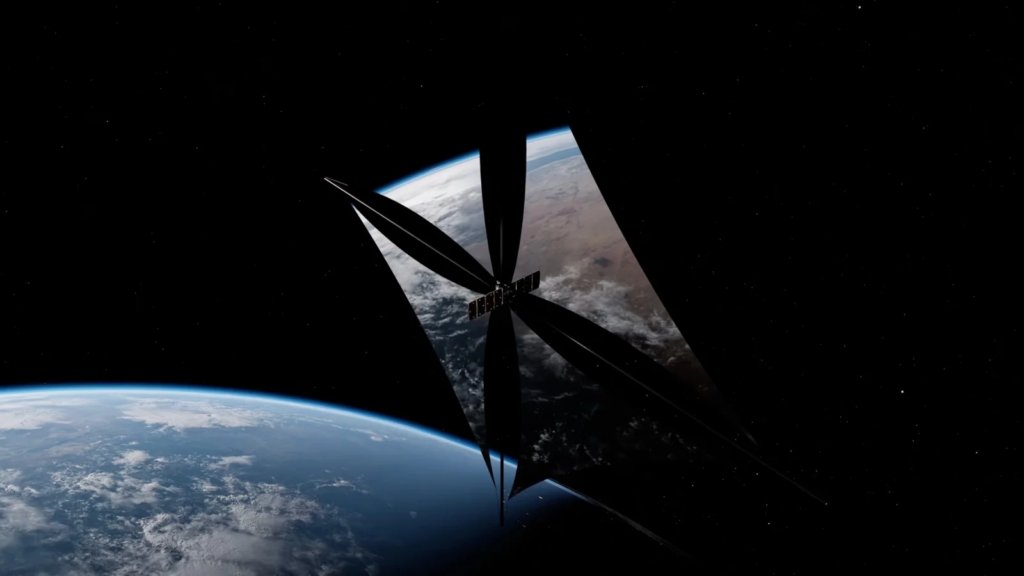
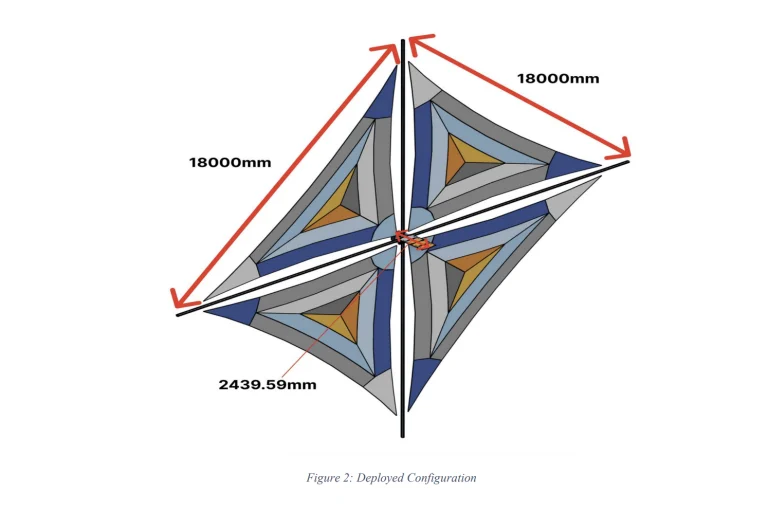
The approval is only for one satellite, dubbed Earendil-1, which is meant to test Reflect Orbital’s technology for shining sunlight back to Earth. The satellite will boast a steerable thin-film reflector measuring about 60 feet by 60 feet, with the goal of powering solar farms at night or illuminating disaster-struck areas after dark to help rescue teams.
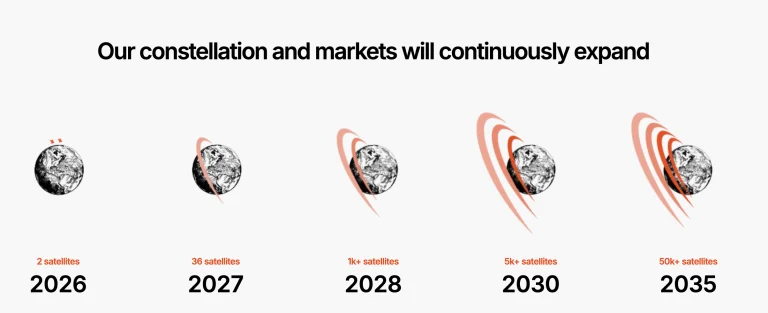
Reflect Orbital envisions operating over 50,000 satellites by 2035, effectively surrounding the Earth with a fleet of mirrors. The proposal has faced stiff pushback from environmental groups and astronomers who are concerned that the satellites will unleash intrusive light pollution. The opposition has been so strong that the FCC received over 1,800 public comments on the application, many of them objecting to Reflect Orbital’s plan for Earendil-1.
The concerns included the “potential for eye damage to amateur astronomers looking through reasonably sized telescopes; temporary ‘flash blinding’ of drivers and pilots; and negative impacts on the scientific research, being carried out by federally funded astronomical facilities,” said the American Astronomical Society.
However, the FCC approved the satellite, noting the grant is only “for a single demonstration satellite” to test an innovative technology that could advance American leadership in space.
“The Communications Act states that it is the policy of the United States to ‘encourage the provision of new technologies and services to the public,’ and Reflect Orbital’s demonstration satellite is an example of a potentially groundbreaking technology that the Commission has found is in the public interest to support,” the order says.
But on the most controversial aspect of the satellite, the FCC said the concerns around Reflect Orbital’s solar reflector are “unrelated to the Commission’s role in authorizing use of radiofrequency spectrum, and even if the Commission had authority to review and condition these operations (which it does not), these harms are unlikely to occur.
“Independently, we find that any such risks are outweighed by the public interest benefits of authorizing communications to support testing of the technology in a limited, short-duration manner to inform whether there are longer-term benefits from an expanded use of this technology,” the FCC added.
In addition, the commission said that US courts have blocked the FCC from using “a generalized public interest requirement beyond its statutory authority in regulating communications. Accordingly, the operations of a solar reflector in space would not be reviewed as part of the Bureau’s public interest analysis.” The regulator also noted that conducting an environmental review for the satellite went beyond its authority. Even if the FCC did have the power, the commission emphasized that the grant is for a single satellite, not 50,000.
“The majority of these comments focus on a hypothetical plan to deploy tens of thousands of satellites, and those who argue the single satellite will harm the human environment do not demonstrate with specificity the potential harm will be caused by the single satellite, but rather rely on the same studies as the commenters objecting to a larger constellation,” the FCC adds.
For critics, the issue highlights a gap in how the US regulates satellites, as some groups have been calling for the FCC to conduct environmental reviews of large satellite constellations. “This raises an urgent question: if the regulator licensing these satellites has no mandate to examine what they actually do to the sky or the Earth below, then who does?” asked James Verner, a director at Dark Sky UK, which opposes light pollution.
In the meantime, Reflect Orbital said it plans on launching the Earendil-1 later this year. “The mission will provide real-world data that shapes the design of future satellites, the markets Reflect Orbital serves, how the company engages communities and the operational practices it puts in place. The company expects this to be the first of several test missions,” the startup said.
“The license grant follows extraordinary global demand for Reflect Orbital’s lighting and energy services, including most recently numerous requests to assist search-and-rescue efforts in the aftermath of the tragic earthquake in Venezuela,” the company added.
Reflect Orbital says it’s also commissioning “independent, third-party research on the impacts of its technology through both independent researchers and federal partners. This includes working to develop a coordination agreement with the National Science Foundation.” Another priority is to avoid reflecting the light near observatories or other protected areas.