

We’re left with the question, who helped Iran with missile guidance systems, as they’ve been effective. And our interceptors are not as effective, or they ran through their interceptor missiles, or some of those radar systems taken out previously have had an impact on launching interceptors. This doesn’t bode well for a direct confrontation with China or Russia in a shooting war, as the weapons of war have changed, especially with these supersonic and hypersonic missiles.
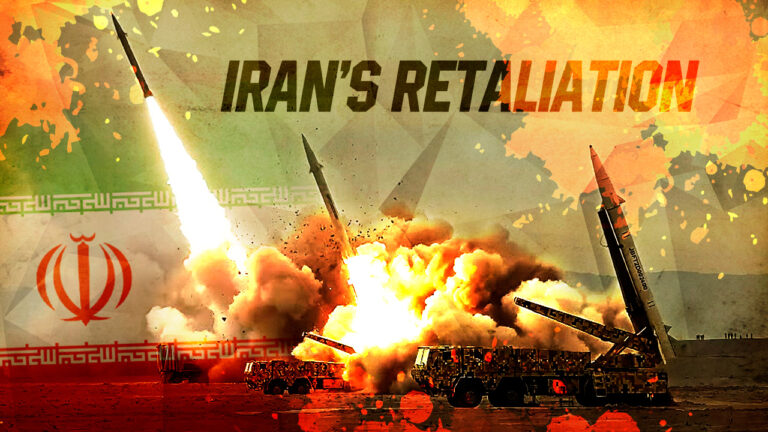
More than two dozen American troops have been wounded in Iranian strikes on Prince Sultan Air Base in Saudi Arabia over the past week, the Associated Press reported on March 28, citing two people who were briefed on the matter.
The air base, located in the center of the kingdom, has been serving as a major hub for American aerial operations against Iran, with many KC-135 Stratotankers tankers, E-3 Sentry airborne early warning and control (AEW&C) aircraft, and E-11A Battlefield Airborne Communications Node (BACN) planes deployed there.
Iran quickly began to target the base with missiles and drones after the start of the American-Israeli war around a month ago.
AP said that Iran fired six missiles and 29 drones at the air base a day earlier, wounding at least 15 American troops, including five seriously.
United States officials initially reported that at least ten American troops were wounded, including two with serious injuries.
The air base had come under attack twice earlier this week, including an incident that wounded 14 American troops, according to the news agency.
Iran’s Islamic Revolution Guards Corps announced a large-scale attack on Prince Sultan a day earlier, and satellite images released by Iranian media showed some serious damage at the tarmac of the air base, where most American aircraft are parked.
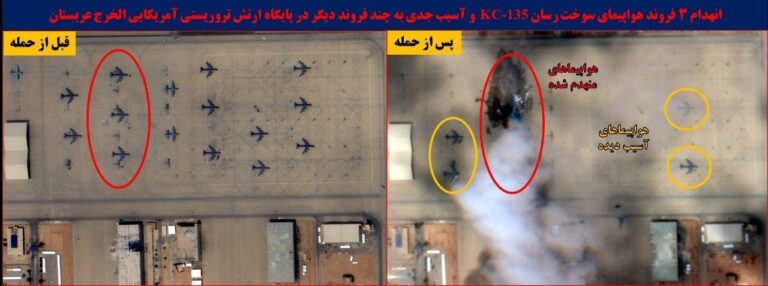
The images were corroborated by others from the European Union’s Sentinel-2 satellite, which showed damage at the exact same part of the air base.
Spokesperson for the Khatam al-Anbiya Central Headquarters, Brig. Gen. Ebrahim Zolfaghari, said on March 28 that one aerial refueling aircraft was completely destroyed, and three other aircraft were damaged and taken out of operational service.
The Air & Space Forces Magazine confirmed that multiple tankers and a single E-3 AWACS aircraft are among the aircraft damaged at the air base.
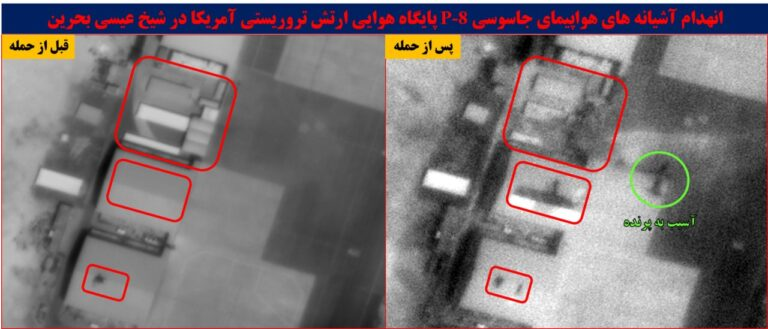
Recent U.S. losses were not limited to Saudi Arabia, however. Satellite images released by Iranian media revealed that a P-8 Poseidon maritime patrol and reconnaissance aircraft was at least damaged as a result of a recent attack by the IRGC on Shaikh Isa Air Base in southern Bahrain.
These losses were, without a doubt, heavy. A single KC-135 costs around $40 million, while an upgraded E-3 could cost upwards of $300, with a similar price of the P-8.
American aerial operations against Iran will be impacted by these losses, at least to some degree. The casualties will also increase pressure on the administration of President Donald Trump, especially that ground operations in the Islamic Republic are currently being discussed.
Meanwhile, it is becoming more clear that Iran’s offensive capabilities were not impacted as badly as claimed by the U.S. and Israel, and that Iranian retaliatory strikes are in fact becoming more effective.