

Given the jump is effectiveness Iran has had with some attacks in this war, who is helping them with their guidance systems and missile development? The whole war as executed has been strange, and certainly benefits the US with selling natural gas and oil. And in the past there has seemingly been backdoor cooperation between the US and Iran (plane loads of cash under Obama), so at some level is part of this conflict scripted? Are they prying away some control in shipping insurance from the UK? Is the handpicked new leader in Iran already chosen and waiting to appear after they line up voting support for him by killing enough opposition? Trump letting Iranian tankers make deliveries instead of confiscating them along with not hitting certain gas and oil facilities after Iran’s hitting of operations in Qatar and the UAE seems suspicious as well. And no US capability present to keep shipping flowing in the Straight of Hormuz seems deliberate while demeaning NATO allies for not jumping in. So after the dust settles, we’ll be able to figure out exactly what the OCGFC goals were with this war in contradiction to the lip service paid.
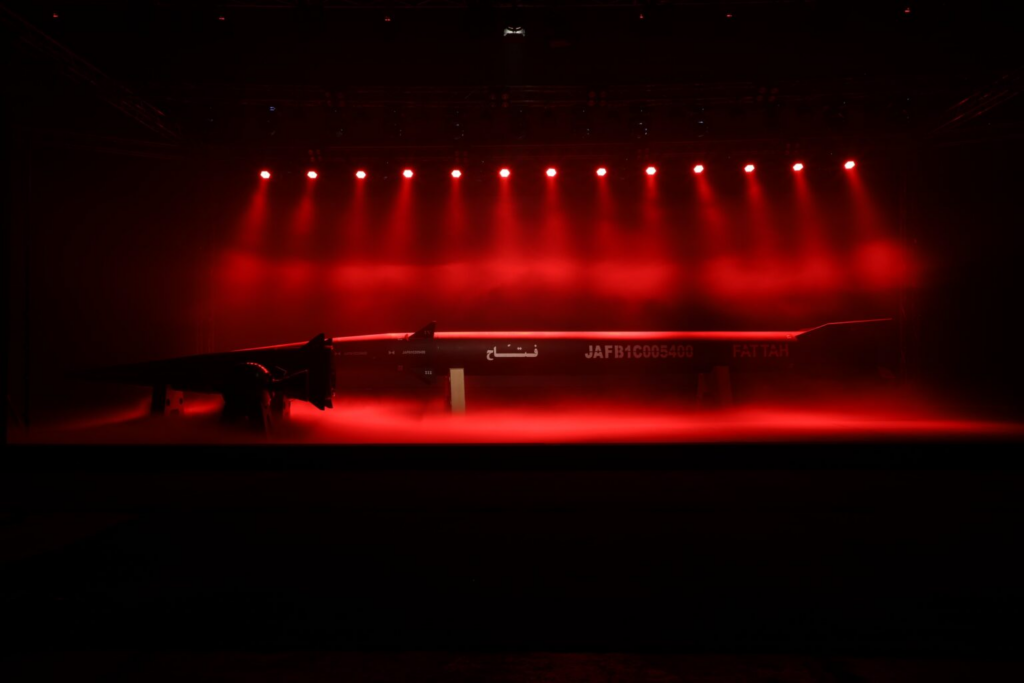
Iran used sophisticated, maneuverable missiles capable of evading the American-made Patriot air defense systems in its attacks on QatarEnergy’s Ras Laffan Industrial City, the Financial Times reported on March 23, citing an official briefed on the attack.
Four Iranian missiles that targeted Ras Laffan on March 18 were intercepted, but a fifth struck the facility, according to the report.
The strike was carried out in response to an Israeli Israeli attack that targeted the South Pars field in the city of Asaluyeh in southern Iran earlier in the day. The attack on the gas field — the largest in Iran — was reportedly carried out with the approval of the United States.
The Ras Laffan Industrial City — located to the northeast of the Qatari capital of Doha — accounts for roughly a fifth of the global supply of liquefied natural gas (LNG) and is home to the world’s largest LNG export facility, as well as a gas-to-liquids plant, LNG storage, condensate splitters, and an oil refinery.
QatarEnergy said right after the attack that several of its LNG facilities were struck, causing “sizable fires and extensive further damage.”
QatarEnergy’s director and state minister for energy later revealed that the Iranian missile strike knocked out 17% of Qatar’s LNG export capacity, causing an estimated $20 billion in lost annual revenue and threatening supplies to Europe and Asia.
Saad al-Kaabi told Reuters that two of Qatar’s 14 LNG trains and one of its two gas-to-liquids plants were damaged in the unprecedented strikes. The repairs will sideline 12.8 million tons per year of LNG for three to five years, he said.
“I never in my wildest dreams would have thought that Qatar would be – Qatar and the region – in such an attack, especially from a brotherly Muslim country in the month of Ramadan, attacking us in this way,” Kaabi said.
The Financial Times’s report led to speculations that Iran used its latest Fattah-1 hypersonic medium-range ballistic missile in the attack on Ras Laffan Industrial City.
The Fattah-1 can travel at 13 times the speed of sound and is reported to have a range of 1,400 kilometers. The missile has a solid fuel first stage, with a second stage incorporating the warhead, aerodynamic controls and a small liquid-propellant motor with a moveable nozzle for thrust vector control that resembles a maneuverable reentry vehicle.
It is also possible that Iran used the Fattah-2 which replaces the second stage with a liquid-fueled hypersonic glide vehicle designed to reach speeds up to 15 times the speed of sound, while maintaining the same range. This version is not known to be in service, however.
Hypersonic missiles like the Fattah-1 and 2 reach their top speed at low altitudes in the atmosphere, which makes them extremely difficult to track and intercept.
While Iran may never actually reveal what type of missiles it used, there is not doubt that the strike on the Ras Laffan Industrial City demonstrated the Islamic Republic’s sophisticated missile capabilities.