

There is a scheme afoot for people to get their hands on your Bitcoin, which should give you pause. Essentially you can back a cash loan with Bitcoin. Failure to pay could lead to confiscation or a rug pull, but the incentive is to not sell and incur the capital gains tax event. One I believe requires double the collateral to cover Bitcoin price drops, but most are between a 20-50% in additional Bitcoin collateral, and if the price drops below a certain level they may sell part of the Bitcoin. I’d just pay my capital gains taxes if applicable, as there are too many Bitcoin whales connected to TradFi, and you don’t know what kind of games they might play at anytime leading to you suffering from their confiscation schemes and wiping out investors using leverage. If you’ve done well enough to have Bitcoin, keep it in self-custody where they can’t steal it from you. And Russia joining this trend points to wider world adoption so they can get their hands on a limited investment opportunity, as there will only ever be 21 million Bitcoin in circulation. Unless the entire community of node runners fork the software, but there is no incentive for users to devalue their holdings in Bitcoin, unless of course they can purge a lot of node runners through their schemes to co-opt the platform.
https://bitcoinnews.com/p/sberbank-russia-first-bitcoin-backed-loan
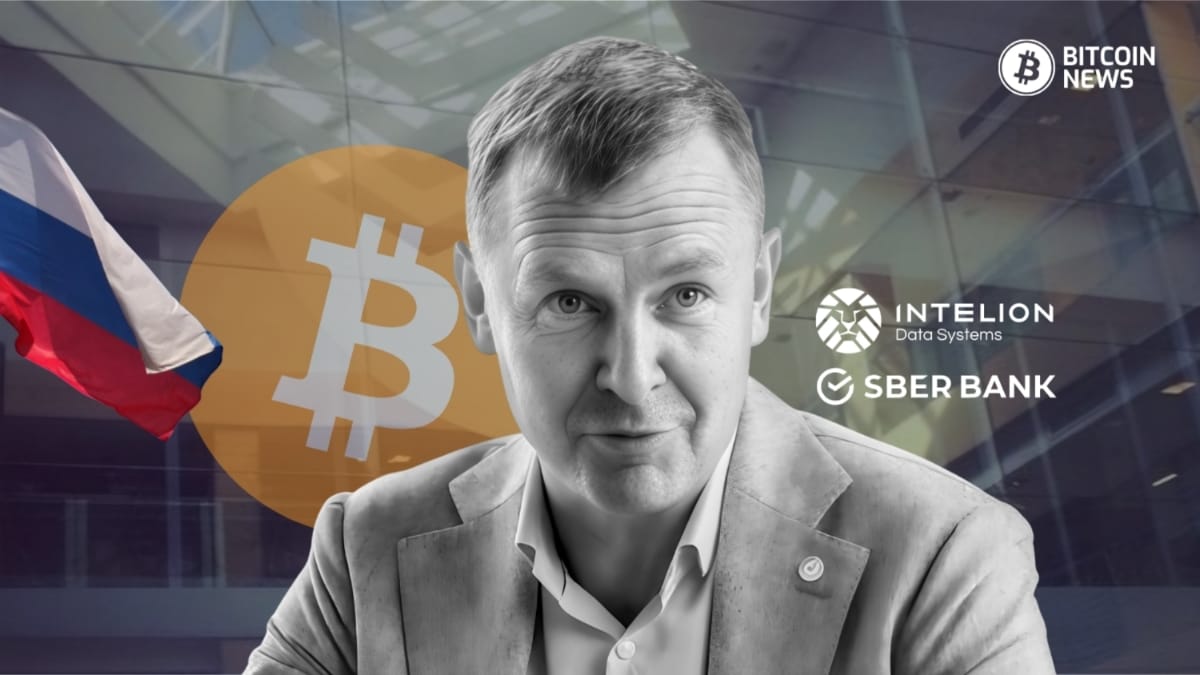
The pilot deal used Sberbank’s own digital custody system, locking the mined bitcoin as collateral and preventing the borrower from accessing it until repayment.
By Nima
Key Takeaways
- Sberbank tested a bitcoin-backed loan using bank-controlled digital custody, reducing collateral risk.
- The pilot signals growing acceptance of digital assets within Russia’s regulated banking system.
- Bitcoin miners may gain new financing options without selling holdings if the model expands.
Sberbank Tests Bitcoin as Loan Collateral
Russia’s largest bank, Sberbank, has issued the country’s first loan backed by bitcoin. The borrower is Intelion Data, one of Russia’s biggest bitcoin mining companies. The loan reportedly used bitcoin it mined as collateral instead of traditional assets like cash or property.
Sberbank described the deal as a pilot project, meaning it is a test rather than a full commercial launch. This loan is important because it is the first time a Russian bank has officially accepted digital assets as loan collateral.
Until now, bitcoin had mostly stayed outside the traditional banking system. By doing this deal, Sberbank is showing that digital assets can be used in real banking products under regulation.
Sberbank said the new product could be useful beyond bitcoin miners. “We believe this product will be relevant not only for cryptocurrency miners, but also for companies that own cryptocurrencies,” the bank said.
If the pilot works well, Sberbank may offer similar loans in the future. The bank did not reveal how large the loan is, how long it lasts, or how much bitcoin was used as collateral. Sberbank also did not say exactly which digital asset was pledged, although all reports point to bitcoin. This lack of detail shows the bank is being cautious and treating the deal as an experiment.
To secure the loan, Sberbank used its own digital custody system called Rutoken. The bitcoin used as collateral is reportedly stored in wallets controlled by the bank. Intelion Data cannot access or move the funds until the loan is fully repaid. According to Sberbank, “The loan was secured by digital currency mined by [Intelion Data] […] This guarantees the assets’ safety during the loan period.”
In bitcoin-backed loans, losing control of the collateral is a major risk. By keeping the bitcoin in its own custody system, Sberbank reduced this risk. This approach makes the loan closer to traditional secured lending, even though the underlying asset is volatile and digital.
Intelion Data is a major player in Russia’s bitcoin mining industry. In 2024, the company reported about $79 million in revenue. Its data centers use nearly 300 megawatts of electricity.
Intelion is also expanding its infrastructure, including facilities near nuclear power plants and gas-powered energy sites.
Intelion CEO Timofey Semenov welcomed the deal. He called it “an important practical example for the industry” and said it shows the market is “reaching a new level.” If this type of loan becomes common, miners could borrow money without selling their bitcoin, especially during market downturns.
The loan is also a test for Russia’s digital asset regulation. Laws around digital assets are still developing. Sberbank deputy chairman Anatoly Popov said the bank is ready to work with regulators. He said:
“In Russia, regulation of the digital currency market is still in its infancy, and we are ready to work with the Central Bank to develop relevant regulatory solutions and create the infrastructure for launching such services.”
Popov noted that Sberbank already offers investment products linked to bitcoin and other digital assets. The bank is also testing decentralized finance tools. Overall, Sberbank supports a gradual and controlled legalization of bitcoin rather than sudden changes.
For years, bitcoin mining in Russia has existed in a gray area. Banks were cautious, and miners often struggled to get domestic financing. This loan gives the industry more legitimacy and signals that banks are becoming more open to working with Bitcoin, as long as the risks are managed.