

Two problems with this article, the source being the FBI, and $333 million having our conspiracy warning 33 in it. So with all of Trump’s lip service to Bitcoin, they’re moving against Bitcoin adoption as it’s the exit from the fiat currency scam that is about to implode. And there isn’t much money in the federal insurance fund, which would mean printing more money to provide you your funds which will in effect still be heavily devalued by hyperinflation due to the massive money printing, not to mention possible haircuts being imposed. Also of interest is the dubious claim about the percentage of scams, and casting shade on Bitcoin as transactions can’t be reversed like with banks, which is true but more of a perk than a detraction. When you have a means of exchange with no central authority, of course it can’t be reversed and you just need to make sure you’re sending it properly. I’ve made many purchases with Bitcoin and Lightning (second layer over Bitcoin), and never have had a problem, as well as it being much easier than credit card or bank transactions. Another FUD angle they’ve been promoting is quantum computing breaking Bitcoin (still years and possibly decades away), and there are many more lucrative things to go after instead of Bitcoin if encryption is broken by quantum computers.
By Jowi Morales published 1 January 2026
More Americans are losing money to scams via crypto ATMs.
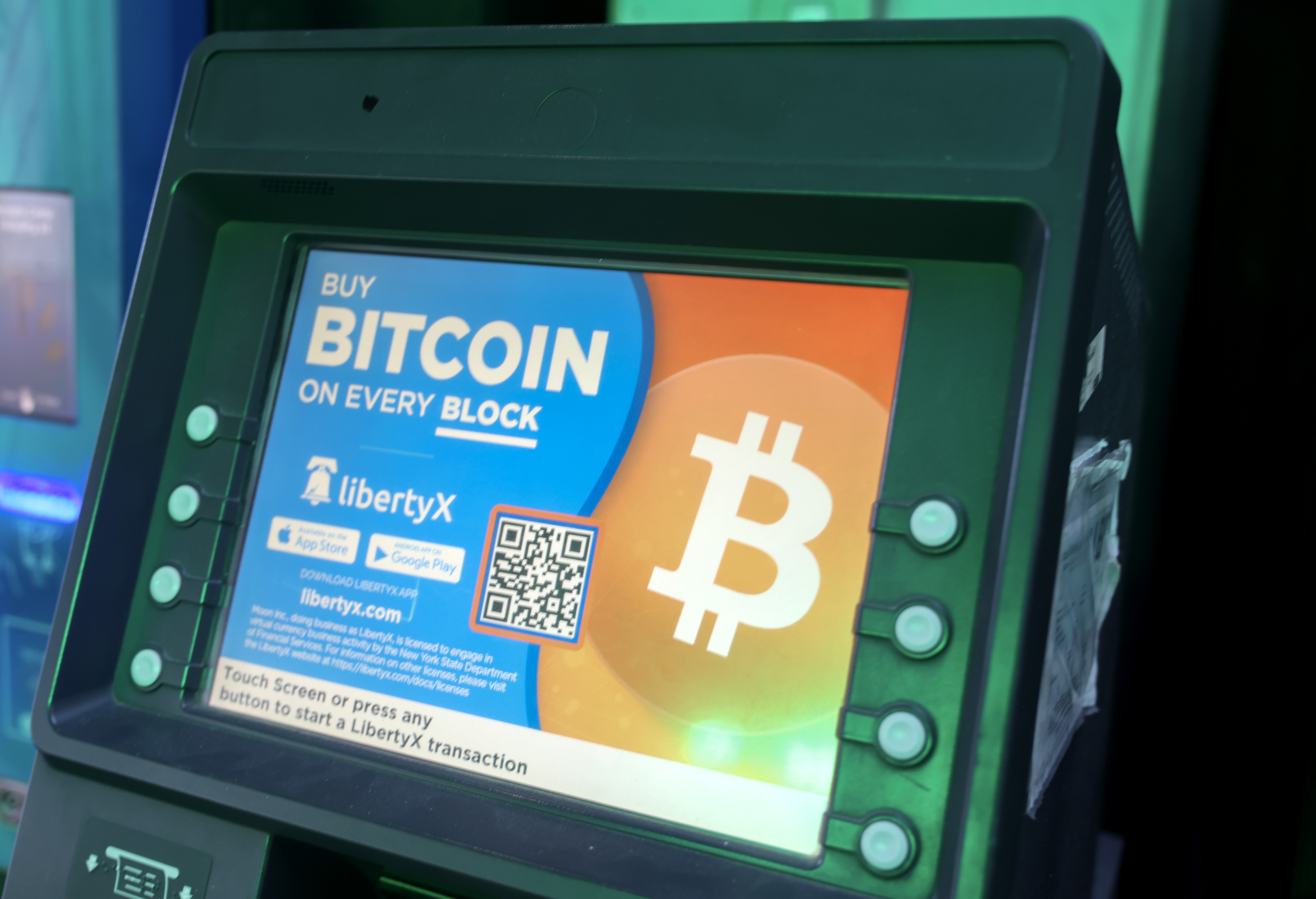
The FBI says Americans lost at least $333 million to Bitcoin ATM scams in 2025, as the cryptocurrency has continued to gain popularity for use in fraudulent transactions. The law enforcement agency told CNBC that this is a “clear and constant rise” that is “not slowing down.” Reported losses to crypto ATM scams first broke $100 million in 2023, with the amount hitting $114 million — this then doubled the following year to $247 million. While the reported losses in 2025 weren’t as huge a jump, it’s still costing private citizens a huge amount of money, with most scammers targeting older victims.
The authorities are acting against cryptocurrency ATM providers, saying that they’re “pocketing hundreds of thousands of dollars in undisclosed fees on the backs of scam victims.” The U.S. Attorney General even sued Athena Bitcoin, with the lawsuit pointing out the 93% of the transactions on its ATMs “are the product of outright fraud,” with victims having a median age of 71 years. In its defense, Athena told ABC News that it has “strong safeguards against fraud, including transparent instructions, prominent warnings, and customer education.” An Athena rep also said, “Just as a bank isn’t held responsible if someone willingly sends funds to someone else, Athena does not control users’ decisions.”
Earlier this year, we saw one local government take things into its own hands using a power tool to recover almost $32,000 that a victim deposited into a Bitcoin Depot ATM. The Sheriff’s office was able to do this after securing a warrant, but the company said that it will seek damages, especially as each machine costs around $14,000. Furthermore, the victim will not be able to immediately get the recovered money, as it will have to go through the legal system before the scammed amount will be returned to them. You may like
The U.S. isn’t the only place that is seeing a growing number of crypto ATM scam cases — Australian authorities also said that most crypto ATM users are either scam victims or money mules who were forced to deposit cash into these machines. Cryptocurrency does, of course, have some advantages and legitimate uses. But because it’s still fairly new, many don’t understand how it works and often assume that it’s just like any other bank. And with crypto ATMs becoming more ubiquitous in the U.S., it’s also making it much easier for scammers to extort and steal money from their unsuspecting victims.