

If you drive a car that has electric doors, you’ll want one of those car accident hammers so you can break the window. They also have a protected seat belt blade as well. And depending on the accident, you might not have the strength or ability to break the window otherwise. Or probably better, stay away from such vehicles, and especially a Tesla which can become a bonfire for a long time after a battery impact or control circuit corruption.
At least 15 deaths have been linked to Tesla crashes involving faulty electric doors, raising serious safety and regulatory concerns.Dec 26, 2025 5:00 PM EST
By Elijah Nicholson-Messmer
Key Points
- At least 15 Tesla crash deaths involved doors failing to open after impact or fire.
- Poorly labeled or missing manual releases hinder escape, especially for rear-seat passengers.
- NHTSA is investigating; Tesla developing safer, combined mechanical-electronic door handle design.
Trapped after impact
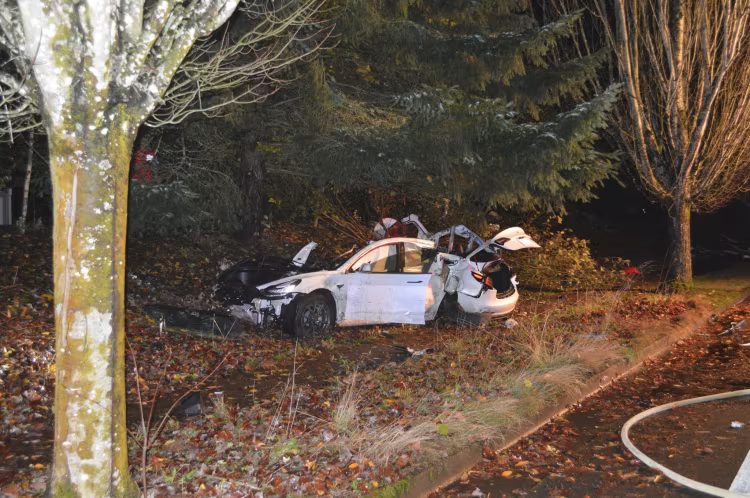
A new Bloomberg investigation has cast a harsh spotlight on one of Tesla’s most controversial design choices: electronically operated door releases. According to the report, at least 15 people have died in Tesla crashes since 2012 after doors failed to open following an impact, in some cases trapping occupants inside vehicles that caught fire.
A years-long pattern comes into focus
Bloomberg’s analysis builds on years of owner complaints and safety concerns surrounding Tesla’s flush, electrically powered door handles. To better understand the scale of the issue, reporters reviewed federal crash data going back more than a decade, focusing specifically on fatal crashes involving fires.
The National Highway Traffic Safety Administration (NHTSA) supplied records covering every fatal U.S. crash involving a fire between 2012 and 2023. Bloomberg then independently identified similar incidents in 2024 and 2025. Reporters reviewed thousands of pages of police and fire reports, autopsies, photographs, 911 call audio, and police body-camera footage to reconstruct what happened in the moments after crashes.
That work uncovered a dozen incidents in which occupants or emergency responders were unable to open the doors of crashed Teslas that caught fire. In total, Bloomberg identified at least 15 deaths where inoperable doors were a contributing factor.
Tesla isn’t alone, but it stands out
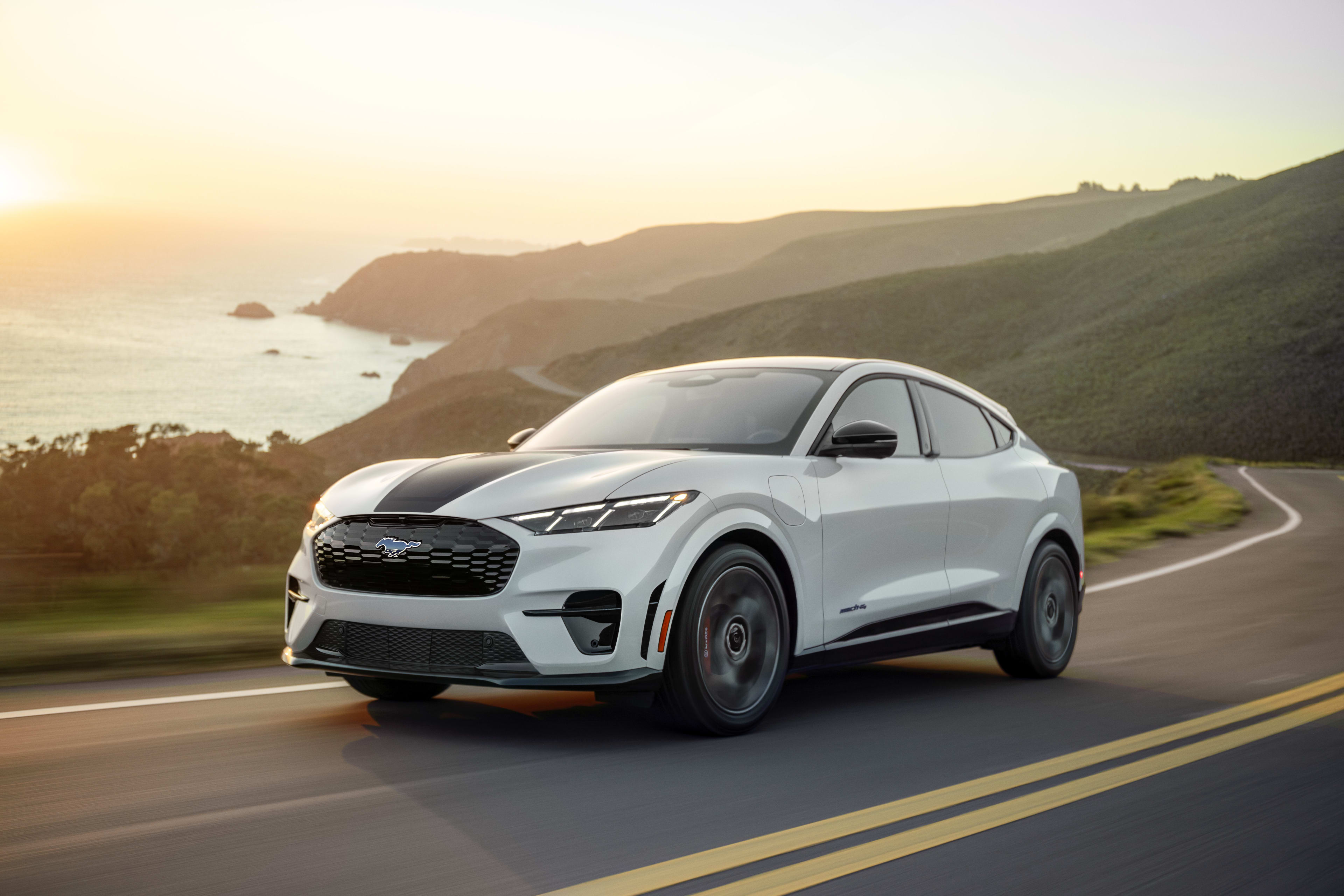
Electronic door handles are not unique to Tesla. Bloomberg notes that roughly 70 vehicles currently sold in the U.S. rely on similar systems, including models from Ford, Lucid, and BMW. Still, Tesla accounts for the largest number of consumer complaints related to doors that won’t open after a crash.
More troubling is the apparent trend. While the 15 deaths represent a small share of the hundreds of fatal electric vehicle crashes over the past decade, more than half occurred after November 2024. That concentration suggests the problem may be worsening rather than tapering off.
Why can the doors fail after a crash?
At the heart of the issue is the 12-volt battery that powers Tesla’s electronic door handles. In a serious collision, that battery can be damaged or lose power. When it does, the door handles may stop functioning entirely, even if the doors themselves are not physically jammed.
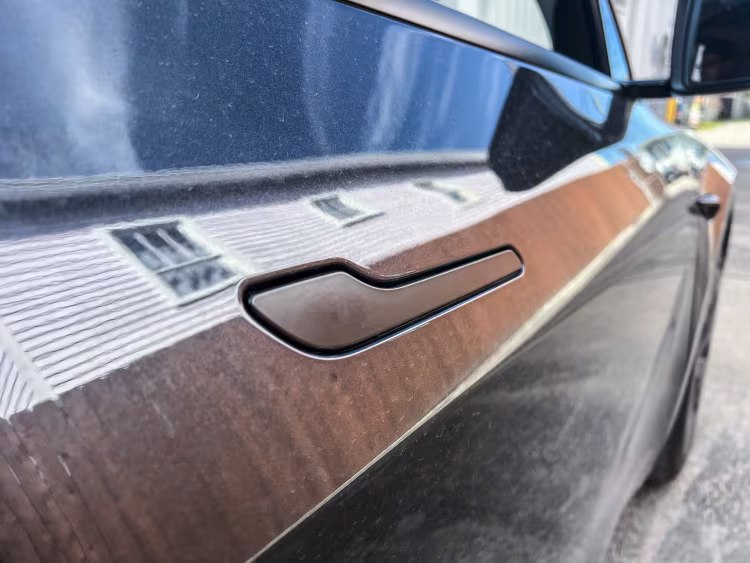
Tesla vehicles are equipped with manual backup releases for the front doors, but Bloomberg found that these releases are often poorly labeled. Rear-seat manual releases are even less consistent. Some Model 3 and Model Y vehicles lack them altogether, while others hide them under floor mats, behind speaker grilles, or beneath plastic trim—locations that are difficult to find in a panic or smoke-filled cabin.
Final thoughts
The lack of clear, publicly available data makes the issue harder to track. There is no centralized system documenting how often people are trapped inside vehicles due to door failures, and determining what happened in the moments after a crash is often difficult.
In September 2025, NHTSA opened an investigation into the Model Y’s door handles following more than a dozen reports of exterior handles becoming inoperable. Tesla has since launched a safety page on its website stating that its vehicles will automatically unlock doors after a crash to allow emergency access. However, the company notes that this feature may not be available on all models, depending on build date.
Tesla’s design chief told Bloomberg that the automaker is working on a new door-handle design that would combine mechanical and electronic systems into a single unit. For now, the investigation raises serious questions about whether high-tech design choices are creating life-or-death risks when crashes turn catastrophic.