

The big question, was why did we have so many bases in Syria? Especially when a leaked state department document showed we were behind creating ISIS to put pressure on Assad. And it did seem we were running protection for some oil facilities, but for the US Military serviceman, did you sign up to be security for megacorp assets in countries the government was purposely destabilizing? And this is why a lot of military men and women leave the military so distraught.
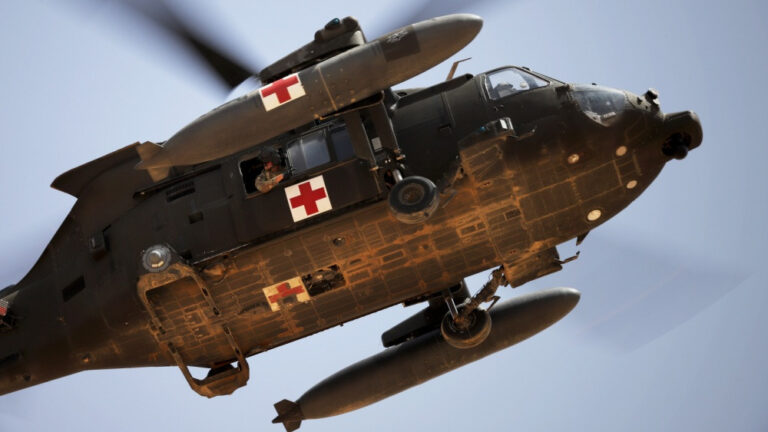
A HH-60 helicopter prepares to land during a medical evacuation exercise within the 55km deconfliction zone in Syria, May 27, 2020. (U.S. Army photo by Staff Sgt. William Howard)
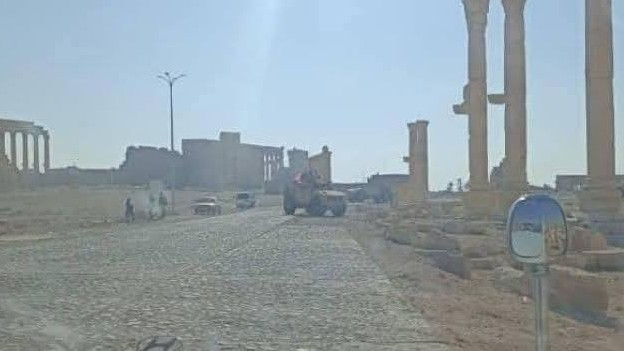
On September 13, a delegation from the United States-led coalition concluding a patrol with Syrian security forces came under fire in the central city of Palmyra, according to the Syrian Arab News Agency (SANA).
The state-run news agency said in separate posts to Telegram that two Syrian security personnel and “several” U.S. troops were wounded, noting that the shooter was killed. It added that “no further information is yet available regarding the motive or circumstances of the incident.”
Later, the government-affiliated Syria TV reported that one of the two Syrian security personnel had succumbed to his wounds.
A photo purported to show a U.S. military helicopter evacuating casualties from Palmyra to the al-Tanf post in southeast Syria surfaced online earlier.
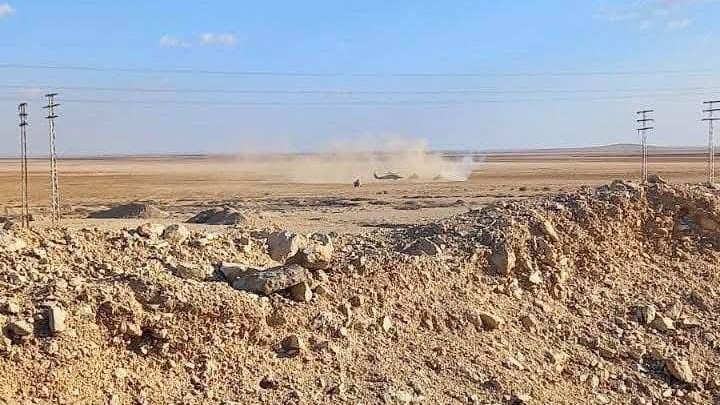
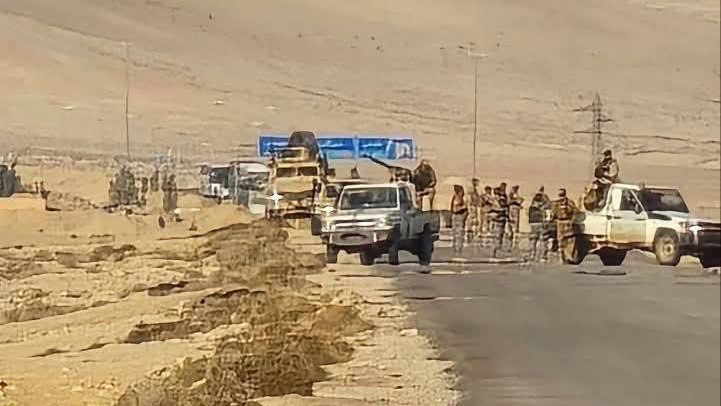
Other photos and videos posted to social networks show U.S. troops and allied Syrian forces blocking the roads leading to Palmyra, and what appears to be an American F-16 fighter jet flying at an extremely low altitude over the city possibly to cover the evacuation.
The SANA confirmed that traffic was halted along the Damascus-Deir Ezzor highway which passes by Palmyra as a result of the attack.
Saleh al-Hamoui, a former commander of Hay’at Tahrir al-Sham (HTS) – the Islamist rebel group that overthrew the Assad regime last year and established the current government, military and security forces in Syria before dissolving – provided a completely different story of what happened in Palmyra.
In a post to Telegram, al-Hamoui alleged that during the U.S. delegation visit to the city the guard of GSS chief in the region, Abu Jaber “Sufyan,” blew himself up. He attached a photo of the said commander shacking hands with a U.S. officer during a previous meeting.
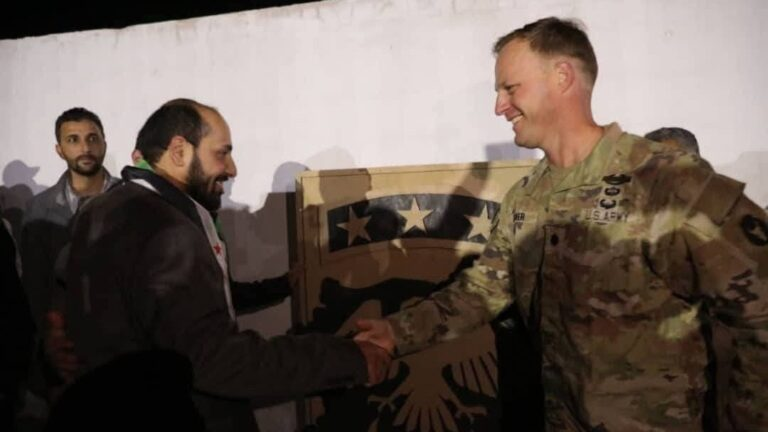
This was the first attack to target U.S. troops in Syria since the country joined the anti-ISIS coalition led by Washington last month.
Syria’s accession to the coalition came after a landmark meeting on November 10 between the U.S. President Donald Trump and Syrian President Ahmed al-Sharaa – the former leader of HTS who until recently was sanctioned by the United Nations – at the White House.
The U.S. Central Command (CENTCOM) announced on November 30 that its forces located and destroyed more than 15 sites containing ISIS weapons caches in southern Syria in cooperation with government forces, in the first such joint operation between the two sides.
The attack in Palmyra came just a day after air traffic data revealed that coalition drones and intelligence aircraft had begun to operate all over Syria.
CENTCOM has not yet released any statement clarifying what happened. An insider attack would be very embarrassing for Damascus, thus, SANA may have distorted the facts.
There have been multiple warnings from activists and researchers of ISIS infiltrating the new military and security institutions in Syria.
Damascus prioritized former members of HTS and its allies, including foreigners, maintained a strict Islamist ideology, and refused to allow any former officers back into service, or to include members from the country’s minorities. As a result, these institutions became completely dominated by radicals, whether members of ISIS or not, who are not happy about the decision to join the coalition.