

This is about making sure they can move their Pi’s that have more memory instead of others being able to upgrade them. You’d have to wonder if the board members knew about the AI memory hikes that were in the works? Many board members have the OCGFC hookup and are on multiple company boards where they can network and coordinate with what is planned industry wide. Frankly, Raspberry Pi’s are no longer all that compelling a platform now that they’ve gotten so expensive and you need accessories, cases… And the Raspberry Pi 5’s though more powerful, also consume more energy. You’re better off buying mini PCs. In this region, the Colorado State university sells their old PCs at really reasonable prices if you need project computers, and there are always deals on refurbished mini PCs on Ebay and Amazon…
Raspberry Pi locks boards to factory RAM capacities in firmware — engineer tells DIY modders ‘don’t waste your time’ trying repairs or upgrades, company cites shady reseller scams
By Mark Tyson
SBC supremo blames firms buying cheaper Pis then swapping RAM with ICs ‘of dubious origin’ for this change.
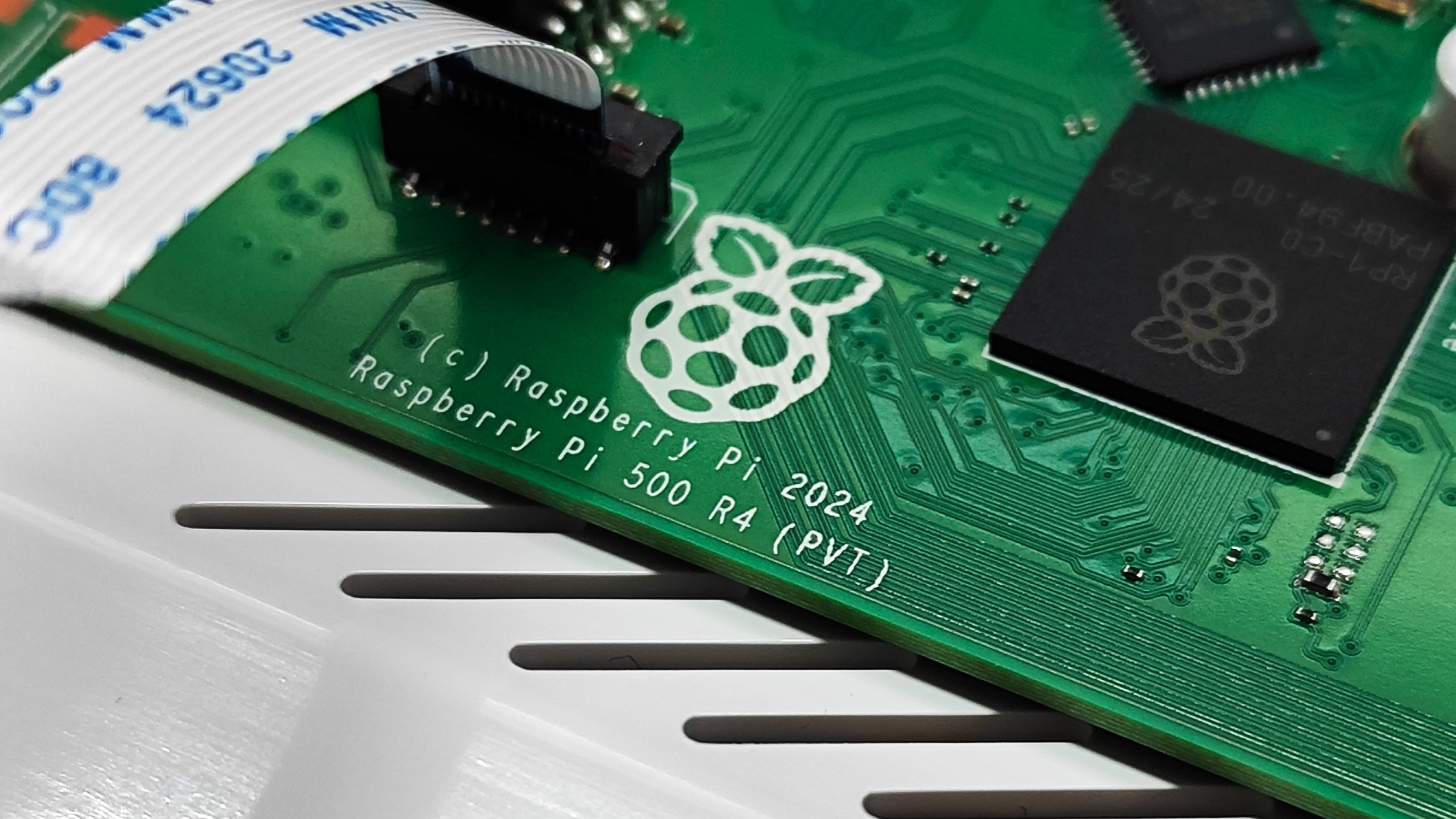
Raspberry Pi users are effectively being blocked from swapping the RAM chips on their SBCs for repairs or upgrades. In a reply on the firm’s forums, Raspberry Pi Engineer & Forum Moderator PhilE told users that the company has been “locking devices to their original RAM size” for some time. This decision was made for the sake of device reliability, says the rep. However, the move seems to go against the grain for a company so involved in the maker, DIY, and tinkerer side of computing.
PhilE explains the problem that faced Raspberry Pi and some users, airing the company’s side of the argument. “If labor is cheap enough then there may be a minor financial gain in buying a part with say a 2GB part, swapping it for an 8GB part of dubious origin, and reselling it as an 8GB device,” says the forum mod. “However, this brings an element of risk to the user – the board hasn’t been tested by us – and is a potential support burden for us, with customers complaining of unreliable devices. We therefore remove the commercial incentive by locking devices to their original RAM size.”
In addition, the Pi’s firmware currently “program in some other device attributes, meaning that switching parts of the same size may not work,” says PhilE. This isn’t great for genuine users who might want to tinker with or upgrade the RAM chips or have to replace an IC for repair. The forum mod underlines the effective block by telling would-be RAM MacGyvers to “don’t waste your time trying – it won’t work.”
Some readers might feel sympathetic towards Raspberry Pi’s RAM tinkering blockade, given PhilE’s reasoned explanation. One surprising aspect of the decision, though, is that the firmware locks of RAM IC swaps began to roll out in updates from late 2024 onwards. So, this change was made well before the crazy RAM chip pricing upswing precipitated by the AI data center boom. Also, it means that if you want to sidestep this RAM tinkering block, you would need to grab and flash a pretty old firmware to your Pi model (if available).
Naturally, the Pi community isn’t celebrating this RAM upgrade/repair block. Some high-profile Pi advocates like Jeff Geerling suggest that implementing a ‘warranty bit’ (similar to older models), or a one-time firmware flag to void support for modified boards, would have been a more agreeable path for Raspberry Pi to take. Here’s a lookup table that you can use to check your Pi’s factory RAM configuration.