

It’s time to get off Google’s proprietary Android and move to the opensource version of the operating system. There are cheap phone options for LineageOS, but there is also GrapheneOS with more privacy features along with other versions of Android built upon LineageOS with some privacy features. If your adversary is the federal government (travel internationally) and you want a phone they can’t break into, GrapheneOS is the operating system for you, but you’ll need a Pixel device. Though next year a Motorola device will be supported but pricey, with Motorola cooperating with source code and firmware. I’ve been running LineageOS on a 2024 Motorola G 5G I picked up for $127 new, and it’s been great, I use F-Droid for most apps, and it gets a software update every Thursday with some bug fixes even though Google doesn’t release AOSP code very often and you still have to wait for vendor firmware updates released more slowly as well. Motorola supports phones for 3 years with vendor updates, but the OS will keep getting updates and new versions with LineageOS. Just be aware that some apps won’t work with alternative versions of Android, but the Roku app was the only one I had a problem with so far, which is easy to do without as I only used it occasionally as a remote and to look up where a show was available.
https://reclaimthenet.org/google-starts-asking-for-developers-papers-on-september-30
The thing that made Android worth choosing is now a setting you have to search for.
By Ken Macon
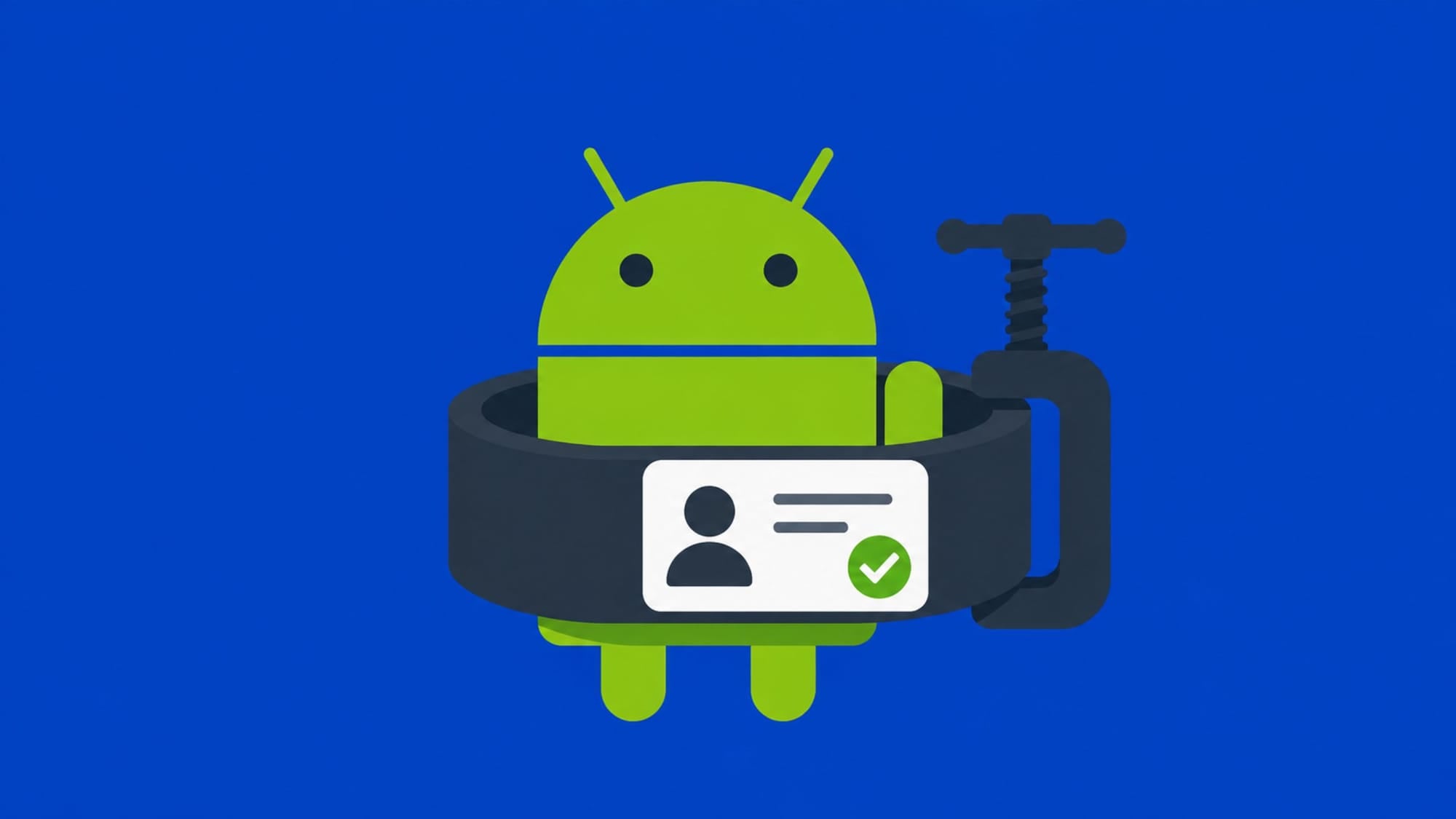
Google is rolling out a new system that makes sideloading apps on Android more difficult and less private.
This is happening on two fronts: one is the introduction of what Google calls “advanced flow” for installing apps from unverified developers – and the other is a reminder that Google’s controversial developer identity verification requirement is coming.
The first “advanced flow” is now here, and it makes the process of installing an app from outside Google Play and other major stores much more cumbersome, and therefore less appealing to the average user. Instead of just installing the app, the user must now click through multiple warnings, and then wait 24 hours before the first installation can proceed.
Google says this is to preserve user choice – but in reality, it looks like a way to scare users away from sideloading and route them to the Play Store instead.
The other announcement is a reminder that starting September 30, 2026, developers will have to verify their identity with Google if they want to distribute their apps on certified Android devices in Brazil, Indonesia, Singapore, and Thailand.
This applies not only to those publishing their apps on the Play Store, but also those using third-party stores, such as the HONOR App Market, OPPO App Market, Galaxy Store, Palm Store, V-Appstore, and GetApps.
The requirement will expand to more countries in 2027.
To verify their identity, developers will have to pay a $25 fee and provide their government-issued ID to Google.
This is a significant change, because it means that developers who do not want to use Google’s services will still have to register with the giant if they wish to distribute their apps on Android.
In an open letter to Alphabet CEO Sundar Pichai, a number of organizations, including the Electronic Frontier Foundation, the Free Software Foundation, F-Droid, Article 19, Fastmail, and Vivaldi, condemned this move, saying that Google is overstepping its boundaries by imposing its rules on third-party stores.
“Developers who choose not to use Google’s services should not be forced to register with, and submit to the judgement of, Google,” the letter said.