

Is this to collect data for facial recognition? To help train their AI system for facial recognition? Voluntary today, but with the age verification edicts pushing towards digital ID, will it continue to be? And can we trust Google anymore to uphold their privacy policies? We just found out Microsoft was using a GDID for your Windows installation and recording it with all the sites you visit…
https://nerds.xyz/2026/07/google-selfie-video-sign-in/
By Brian Fagioli
Losing access to a Google Account can quickly become a serious problem. Gmail, Google Photos, Drive, contacts, and other important data may all be tied to a single login.
Google is now offering another way to get back in. The company has introduced selfie video as a new account sign-in and recovery option.
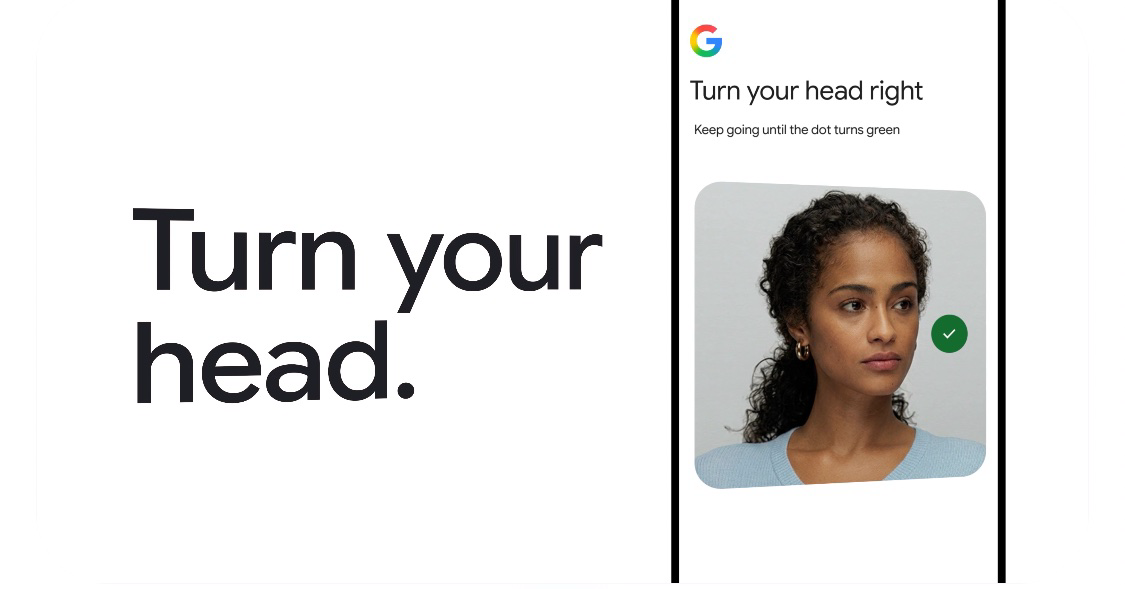
The feature lets eligible users record a short video of their face ahead of time. Should they later become locked out or lose access to their usual phone or computer, Google can compare a new selfie video with the original recording.
Setting it up involves looking at the device’s camera and following a series of guided head movements. Google says this captures the face from several angles and helps prove that a real person is in front of the camera.
During account recovery, the user records another video and performs similar movements. Google then compares the new recording with the saved selfie to decide whether the person trying to sign in is the legitimate account owner.
The company says the system includes protections designed to detect photographs, prerecorded video, deepfakes, and other impersonation attempts. Google will also consider the same suspicious sign-in signals it already uses when protecting accounts.
Google says users must give permission before a selfie video is recorded and stored. The recording is encrypted while stored and can be deleted through the Google Account at any time.
According to the company, selfie videos will only be used for account access unless a user chooses to share the information for additional purposes. That last part deserves attention.
A password can be changed after a leak. Your face cannot. Even with encryption and security controls in place, some users will understandably feel uncomfortable giving Google another form of biometric data.
Google also leaves several questions unanswered. The company does not explain in detail how long deleted videos may remain in backups, how facial changes could affect recovery, or how well the system performs when dealing with twins, injuries, weight changes, or increasingly convincing AI-generated video.
Selfie video joins Google’s other sign-in and recovery options, including passkeys, recovery contacts, backup email addresses, phone numbers, and physical security keys.
Having more than one recovery method is a good idea. Phones get lost, numbers change, and people forget passwords. Depending entirely on one device can leave someone stranded outside an account containing years of personal information.
Still, a selfie video should probably be treated as a backup option rather than a replacement for good account security. Users should continue to keep their recovery details current and use passkeys or security keys whenever possible.
Google says eligible users can check their account settings to see whether selfie video is available. The feature may not appear for everyone immediately.
For users who are comfortable storing a facial recording with Google, selfie video could make account recovery much easier. For everyone else, existing options such as recovery contacts and passkeys may feel like a less intrusive choice.
Google is selling this as convenience, and it probably will be convenient. The question is whether getting back into an account more easily is worth handing the company a video of your face.