

The information about water use isn’t disclosed clearly and it seems like they’re covering for the projects. A lot of people that live outside the city rely on wells as does the city when the reservoirs drop in the mountains. It seems like economic development interests are being treated as a higher priority than all the residents that live in the area. And how many of these projects will be abandoned when the AI bubble collapses or their venture capital dries up?
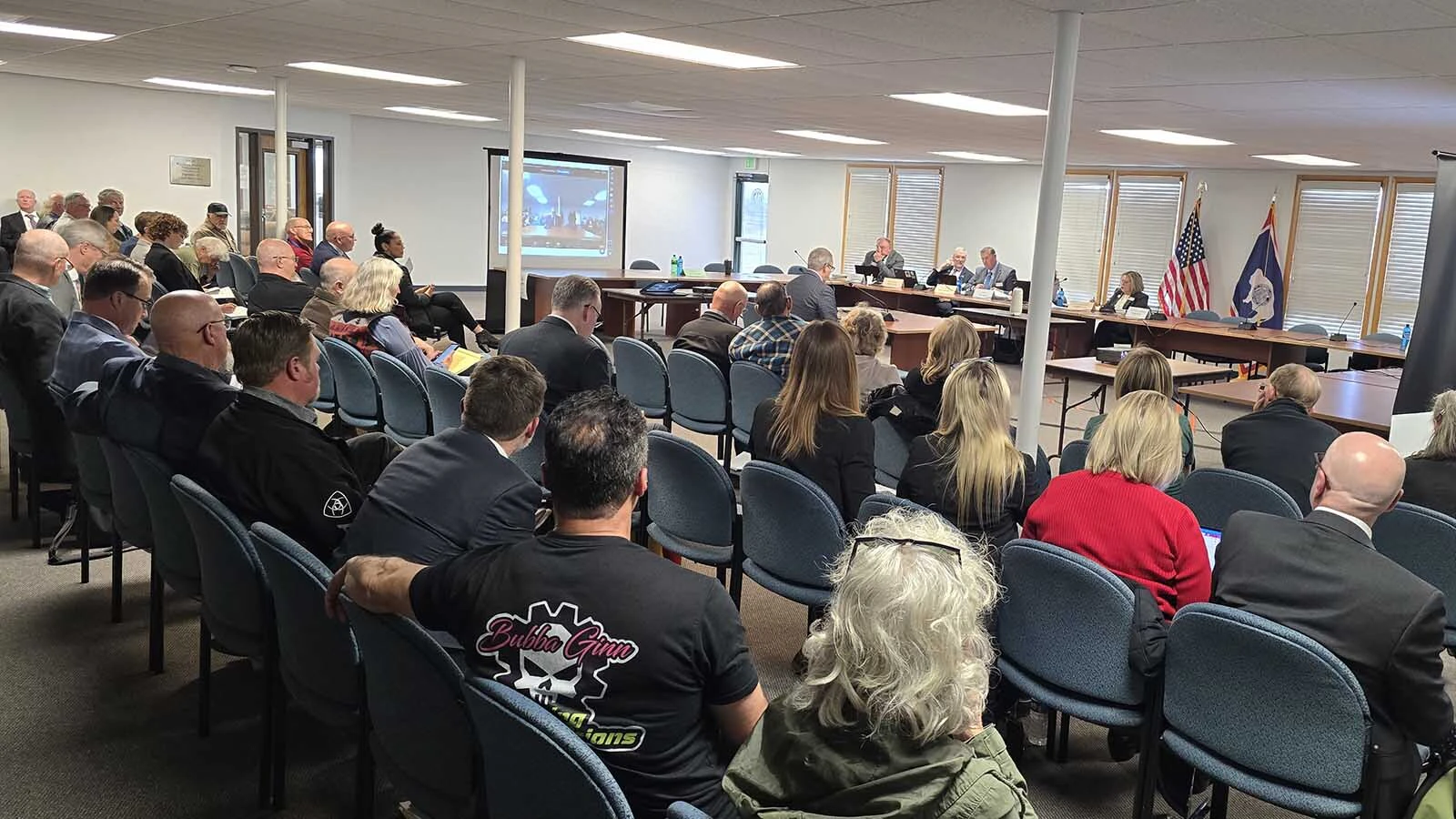
As the state’s data center industry booms, Wyomingites want to know where the water is coming from. The Select Water Committee dove into that Thursday, as critics clashed over property rights, supply, and impacts for one of the nation’s driest states.
By Renée Jean
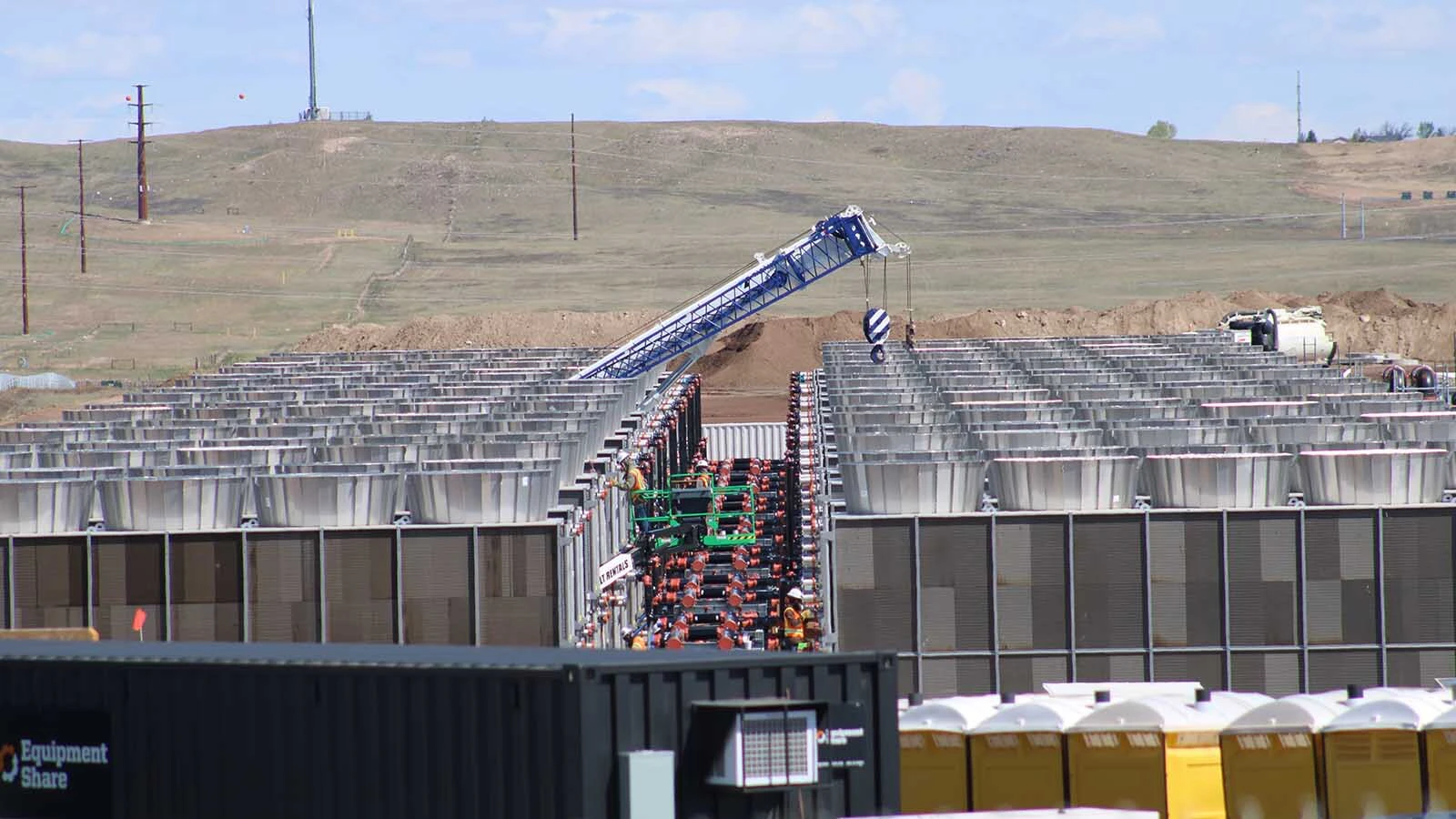
Cheyenne Mayor Patrick Collins meets regularly with prospective data center companies that want to locate in and around his community.
“I take the time to share Cheyenne’s expectations during these conversations,” Collins told Wyoming’s Select Water Committee on Thursday afternoon. “I know today your focus is on water, but I want you to know that our expectations of the company will be to do no harm when they come into our community.”
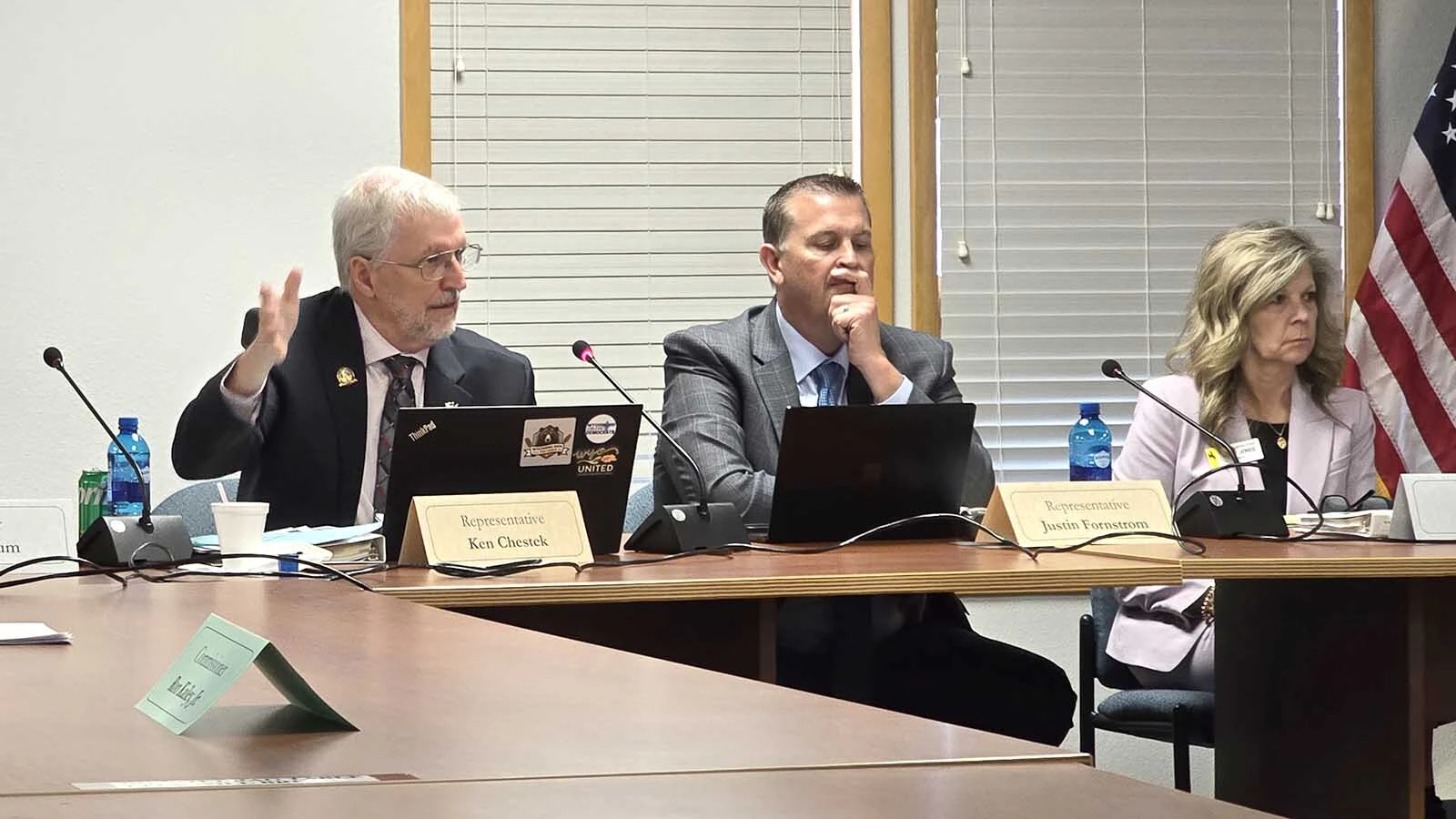
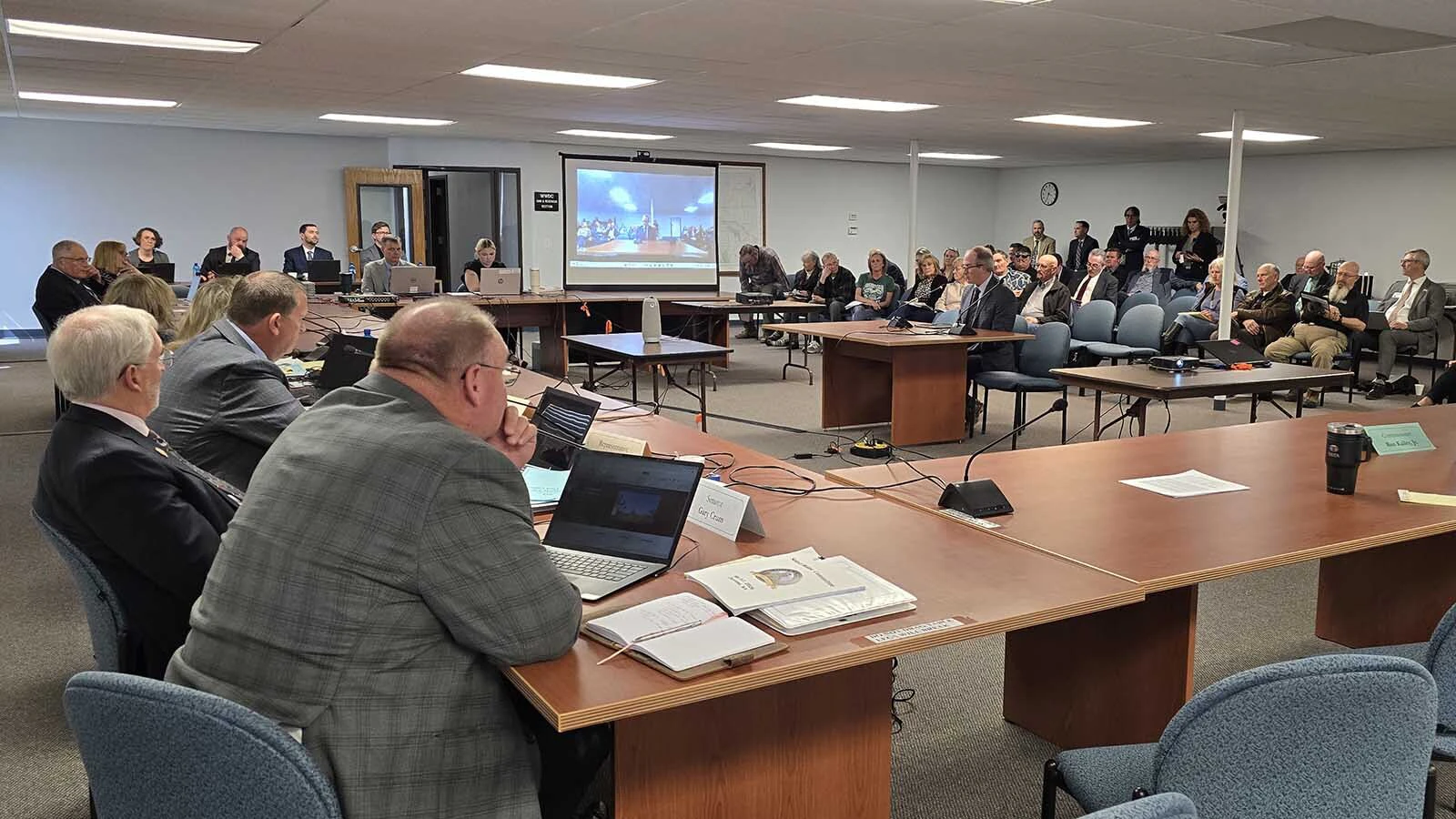
Collins was one of several voices speaking during the committee’s hearing, which is considering whether Wyoming needs more guardrails around water use now that data centers are flocking to the Cowboy State.
It’s a question with high stakes in a state that’s among the driest in the nation, with just 12 to 13 inches of annual precipitation.
Recent drought and reduced snowpack, meanwhile, have only heightened concerns around data centers.
Cheyenne Sets Strict Terms For Data Centers
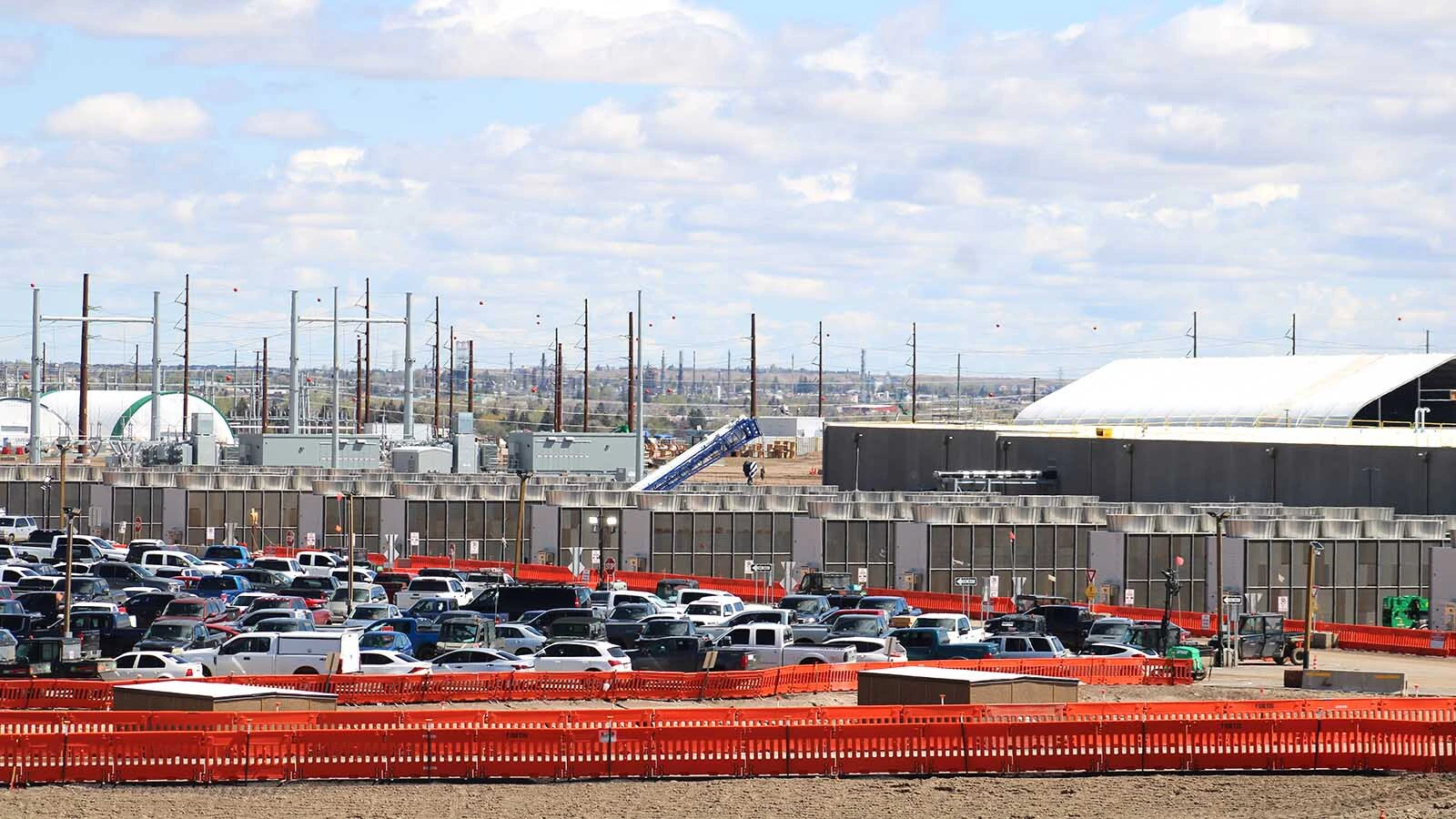
Cheyenne has become a data center magnet, with upward of 70 data centers in various stages of discussion, according to an estimate from Cheyenne City Councilman Larry Wolfe.
Collins told the Select Committee he’s been telling these many suitors that Cheyenne has big expectations for them, expectations developed after two decades of experience with data centers.
“They will use the large power contract service tariff and will pay for every aspect of their electrical services, preventing the utility from passing those costs on to our homeowners and our small businesses,” he said. “We talk about the behind-the-meter, large-power tariff that Black Hills Energy has created for data centers and other large power users to ensure those customers pay for every aspect of their electrical services.
“We also talk about behind-the-meter production,” he continued, “and our expectation that the sale of electricity will run through the certified utility, ensuring that the city, county, and state will benefit from sales tax and franchise fee collections.”
Development agreements are often required as well if revenue to the Board of Public Utilities doesn’t cover the costs of future maintenance of a facility’s water and sewer infrastructure.
Evaporative Cooling Not Allowed
The biggest topic of all, however, is always about water, Collins said.
“While Cheyenne does have abundant water reserves, our narrative does not allow for evaporative cooling or using large amounts of water,” he said. “If they want to build in Cheyenne using our water resources, they will use efficient technologies like closed-loop systems.”
Collectively, Cheyenne’s existing data centers are not using a lot of water, Collins said. Across 13 active data centers, annual water use is about 200 acre-feet a year, which is 1.48% of all the water now used in Cheyenne.
By comparison, irrigating alfalfa uses about 3.3 acre-feet of water per acre, the mayor said.
“If a quarter section irrigates 125 acres, that would result in about 412 acre-feet of water being used annually,” he said. “All of our data centers today use less than half that amount.”
Cheyenne has a “firm yield” of 22,000 acre-feet of water available annually, or around 7 billion gallons of water that’s available for use.
Cheyenne’s Board of Public Utilities (BOPU), meanwhile, is actively seeking to sell more water amid rising infrastructure costs and declining use.
A refinery which was making gasoline but switched to renewable diesel saved Cheyenne about 1.7 million gallons of water per day, the mayor said.
“(BOPU) needs to sell more water to pay for ongoing maintenance, or we’re going to have to raise rates for our residents. I would prefer to sell a little bit more water,” Collins said.
That makes data centers not just manageable, Collins said, but financially helpful.
Critics Warn Boom May Outpace Oversight
Members of the public also had a chance to comment about data centers and their water usage, testimony that was split along familiar fault lines.
On the one hand were people focused on landowner property rights, while others worried about long-term water security.
State Rep. Gary Brown, R-Cheyenne, said his own research into data centers in states like Ohio and Virginia suggest that water use and discharge issues are far larger problems than industry representatives have admitted in Wyoming.
One Ohio facility, for example, was using up to 120 million gallons of water a year, he said, and there were reports of chemically laden water being trucked out after polluting local supplies.
“Project Jade, when finished, will be the largest data center in the United States,” he said, referencing a Cheyenne project by Tallgrass-Crusoe AI data center that proposes to use up to 2.7 gigawatts of mostly self-generated power.
That’s nearly triple the annul power demand for the state of Wyoming.
“From all the information I’ve got from four different websites, that data center, between the closed loop system that has to be regenerated and the power generation, could use as much as 20 to 30 million gallons of water a day,” Brown added.
Project Jade’s company officials have said their ongoing water usage will be much lower than that, equivalent to about three households per year.
“We need to slow down,” Brown said. “I got it from a confidential source yesterday — and I have to keep him confidential — that today here in Laramie County there’s going to be in excess of 100 data centers.
“This is something we just can’t do.”
Other estimates have put the figure at more like 70, including projects that are in a discussion phase, past which they might never advance.
Wyoming Outdoor Council Government Relations Manager Anna Kaufman, meanwhile, said she feels the influx of data centers is happening much faster than small towns and municipalities in Wyoming can handle.
“Whether that’s their zoning, or their regulations, or just having the resources to really understand the impacts for their towns,” she said. “I think we need a thorough understanding of what those impacts are going to be.
“The closed-loop systems are more water-efficient, but they do take more energy, and where that energy is coming from is important.”
That’s because those contemplating building their own power using gas generation are going to use more water than they otherwise would.
“We appreciate that the projects that are coming in now are operating on good faith,” she said. “But our municipalities might not have the resources to evaluate those impacts, and we, as a state, should make sure we have regulatory frameworks in place that will protect them as well.”
State Law Treats Data Centers Like Any Industry
Wyoming State Engineer Brandon Genhart told the Select Committee that the state’s default setting now, as spelled out by its Constitution, is to approve new water rights.
“No appropriation shall be denied, except when such denial is demanded by the public’s interest,” he said. “That’s a starting point.”
Various state statutes, meanwhile, have recognized industrial uses as “beneficial.” Accordingly, data centers are not treated differently than other industrial uses.
Changing that requires legislation, Genhart indicated.
Metering and reporting are required on all permits that seek to use more than 50 gallons per minute or 20 acre-feet of water per year. Typically, such use is reported monthly and annually.
Genhart’s office plays a role in industrial siting permits for facilities that seek to use more than 800 acre-feet of water per year.
“(Such) applicants must submit a water supply and water yield analysis to my office,” he said. “I then will review the analysis and render a preliminary opinion as to the quantity of water available for the proposed facility.”
Ground Water Declines Raise Stakes
Genhart’s office does have ground water monitoring wells.
Most of these are on the eastern side of the state and run from Crook County south through Laramie and Albany counties.
Water levels have been declining, particularly over the last five years, an aide in Genhart’s office said.
Lawmakers have wondered whether produced water, a briny byproduct of oil and gas extraction, could offer a future water supply for large industrial users like data centers.
That kind of water does not require a permit through Genhart’s office, unless it’s put to beneficial use.
“It could be permitted as a groundwater supply provided that it is intercepted before it commingles with water of any live stream, lake, or reservoir or other surface water course or groundwater aquifer,” he said.
Finding beneficial uses for produced water is something University of Wyoming professor Jonathan Brandt is working on at the Center of Excellence in Produced Water Management.
Produced water would have to be kept in a closed-loop cooling system, he said. But it would need significant, potentially costly, treatment to remove hydrocarbons and other contaminants to be useful.
Given that, the technology isn’t a ready-to-deploy solution yet.

Growing Demand Cuts Across Society
The average home in America has 21 internet-connected devices, Microsoft Senior Director of Infrastructure Government Affairs Jonathan Noble told the Select Committee.
“Just a few examples, your cellphone and every app on it, everything that you have with a screen, including your car, including tractors and vehicles, all rely on data centers for mapping, for information collection and compute,” he said. “This is something that is just growing every day.”
It’s growing across many sectors of society, too, he added, from individuals on up to the nation’s military complex.
“This is critical infrastructure to how we operate, how we communicate, how we go to action, how we serve our communities, how we protect our communities,” he said. “Data centers are the backbone of the modern economy, much like railroads, highways, power grids in earlier generations.”
New Cooling Tech Aims To Cut Water Use
But the company also recognizes the infrastructure has to be built the right way, including limits on water use, Noble said. Industry has already been working on the problem, too.
“Over time, we’ve significantly improved how we design and operate our facilities in Wyoming,” he said. “We already take advantage of the cooler climate to use outside air for much of the year, reducing the need for water-based cooling.”
Evaporative cooling happens less than 10% of the year, and has become more targeted and efficient, he said.
“The most important shift is toward direct-to-chip cooling, instead of cooling an entire building,” he said. “This technology cools the servers themselves right at the source of the heat.
“The system often operates using fluid in an enclosed loop, meaning water is reused continually, rather than evaporated.”
Once such a system is filled, it doesn’t use much water at all. Recharging happens about once every five years.
“When we do use water, it is purchased from the city of Cheyenne Board of Public Utilities, reused multiple times on site, and returned through the waste water system in compliance with local regulations,” Noble said.
“In addition to reducing water use, we’ve made a broader commitment to water replenishment,” he added.
Over time, Microsoft projects it will restore hundreds of millions of gallons of water in partnership with organizations like Trout Unlimited and the Laramie County Conservation District, he said.
“We believe these goals are not only achievable, they are necessary,” Noble said. “If we are going to responsibly support the next generation of infrastructure while preserving what makes Wyoming unique.”
Prometheus’ Cooling Approach
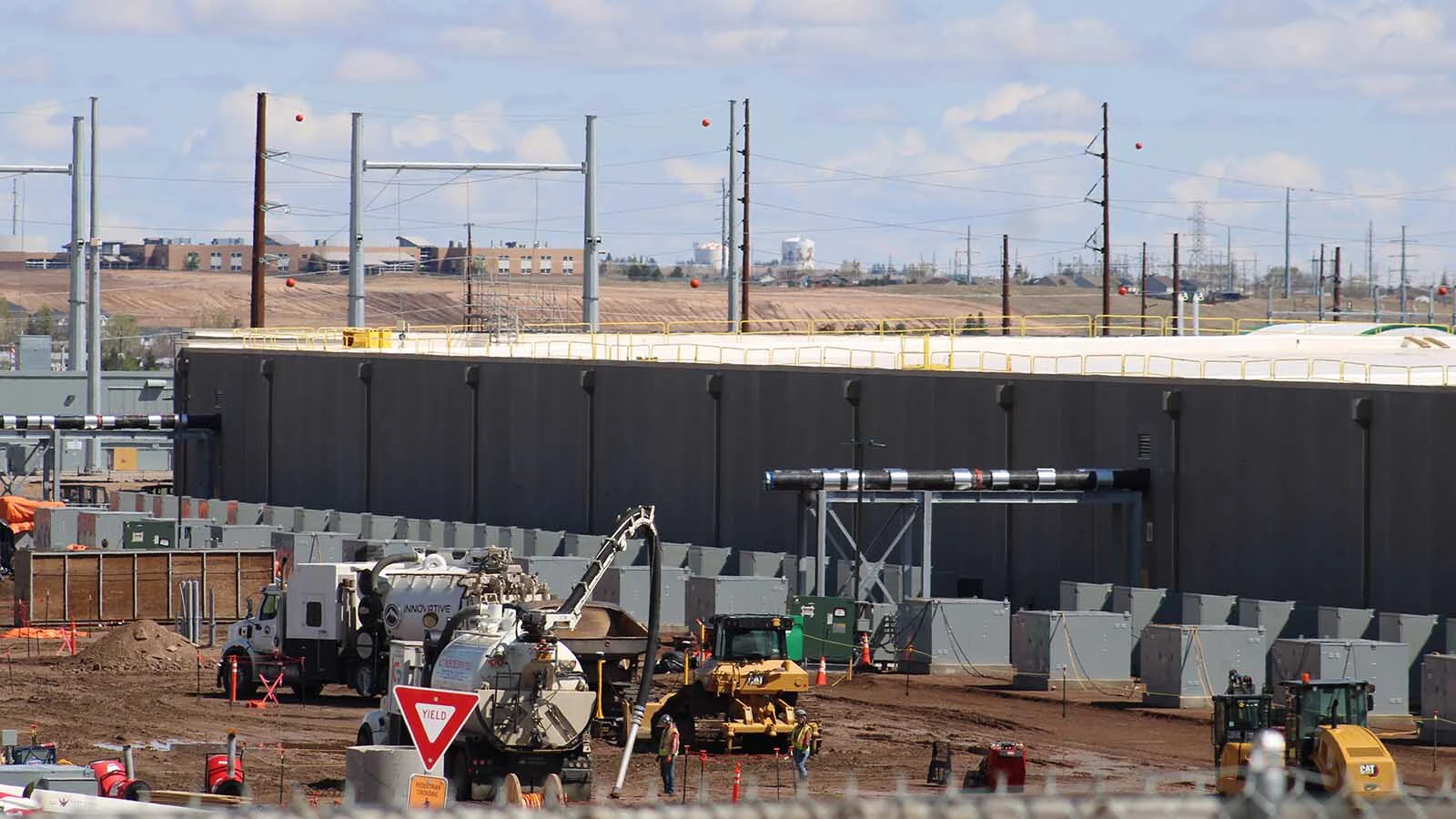
Trenton Thornock, founder and senior advisor to Prometheus Hyperscale, which has two data centers it’s working on — its flagship in Evanston and another, similar-sized facility near Casper — said his company has decided to reduce its water system by using both a closed-loop system and a mixture of propylene glycol (PG) and water.
The substance is sometimes used in food products as a moisture retainer, thickener and emulsifier, which means it has low toxicity, he said.
In concentrations that range from 25% to 40%, it’s valued as a coolant for data centers because it lowers the freezing point of water, allowing it to be used at subzero temperatures.
Colder fluid also accelerates cooling for chip-to-coolant procedures, which is key for high-density AI hardware.
Thornock said the fluid will circulate through servers and heat exchangers, and then to dry coolers. On the hottest days, it would also run through mechanical chiller plants outside the building, creating a giant radiator system.
The PG-water mixture can circulate for up to six years before it needs a refresh, Thornock added. At which point it’s taken by truck to a plant that specializes in supplying this substance.
Supporters See Opportunity, Not Crisis
Sen. Mike Gierau, D-Jackson, said the debate over data centers and water is a property rights issue at heart.
“People that own the property have the right to do anything they want with their property,” he said. “The problem that could be caused is that groundwater is not limited to the physical boundaries above ground.”
Gierau thanked the Select Committee for its work, and expressed confidence that Wyoming will figure it out, as did Wyoming Business Alliance President Renny McKay.
“I would say we have an incredible track record in Wyoming of figuring out the Wyoming way of having economic development and also taking care of important resources,” he said. “I just want to thank you for taking this topic up and having a conversation.
“I think it’s very important, because we are starting to see the benefits of this in terms of a new industry that is going to help our tax base expand, and we’re also going to see the jobs that are so important to families like mine.”
Resource management is critical, McKay said, but with many data centers proposing to build their own gas generation, he sees that as a big opportunity for Wyoming’s legacy energy sectors.
“So, I hope you take this seriously as you go forward, to figure out the way that Wyoming does this,” he said. “To make sure that this is done so that all industries can benefit. Because this industry should have that opportunity to build our oil and gas industry.”