

No thank you. They’re already feeding a lot of GMO soy to livestock, and UK tested the Bovaer feed additive to reduce methane, mandatory in Denmark where farmers were complaining that it was harming their livestock. Beyond not trusting the white coats and their abilities, you can’t remove the evil intentions of the megacorps they work because of the evil plans of their eugenicist OCGFC masters. And it’s clear their Frankenstein creations are not vetted in an honest and transparent manner. Just check this recent post on GMO corn engineered to have a pesticidal protein, and I’d say they included humans in the definition of pests.
https://www.telegraph.co.uk/news/2026/03/21/juicier-steaks-on-menu-gene-edited-cow-feed-approved/
British beef could soon become tastier and more readily available after DNA-altered barley was signed off
By Joe Pinkstone
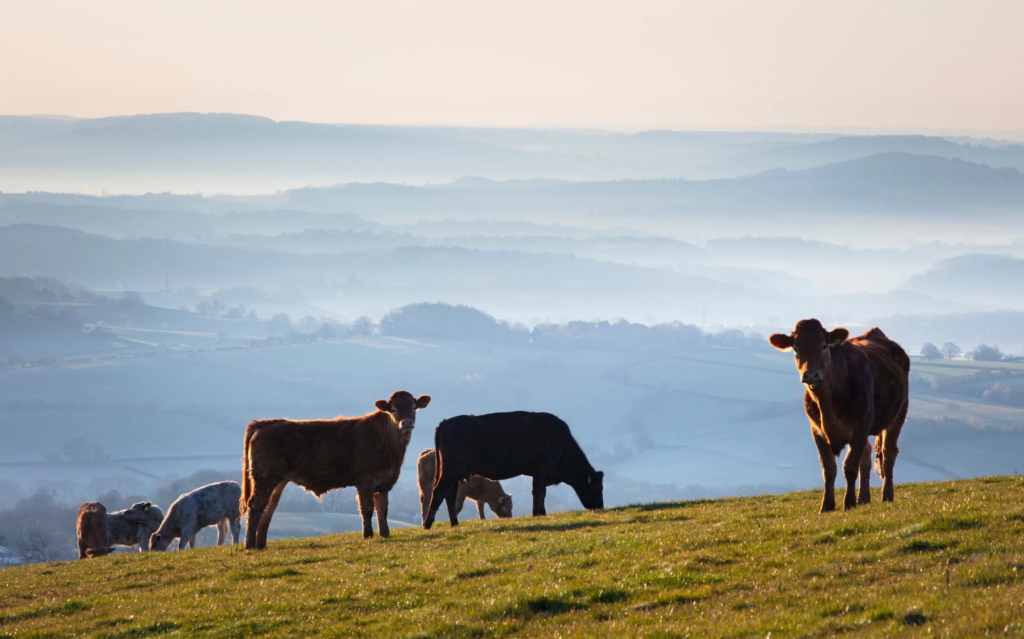
Juicier steaks could soon be served up after barley was given the go-ahead to become Britain’s first gene-edited crop.
In an effort to fatten up cows and get them to market faster, scientists have altered the DNA of Golden Promise barley to increase its fat content.
It can now be submitted to the Food Standards Agency, which will assess its safety. If accepted, it will be the UK’s first gene-edited crop that can be sold.
Britain has launched a push towards more gene-edited crops as a key post-Brexit freedom since splitting from the European Union. The project has been signed off by Emma Reynolds, the Environment Secretary.
University scientists and private companies have created products such as bread with fewer cancer-causing chemicals, longer-lasting strawberries and bananas, sweeter-tasting lettuce and disease-resistant potatoes, although these are yet to be granted permission to land on supermarket shelves.
It comes as Sir Keir Starmer is pursuing a closer relationship with Europe and Nick Thomas-Symonds, the paymaster general, is leading the Prime Minister’s so-called EU reset.
Mr Thomas-Symonds is in Brussels this week for talks about closer alignment on food and drink. It is understood that gene-edited foods will be a key issue as Britain attempts to allow its gene-edited crops to be sold in the EU, but Europe is thought to have a red line on the issue.
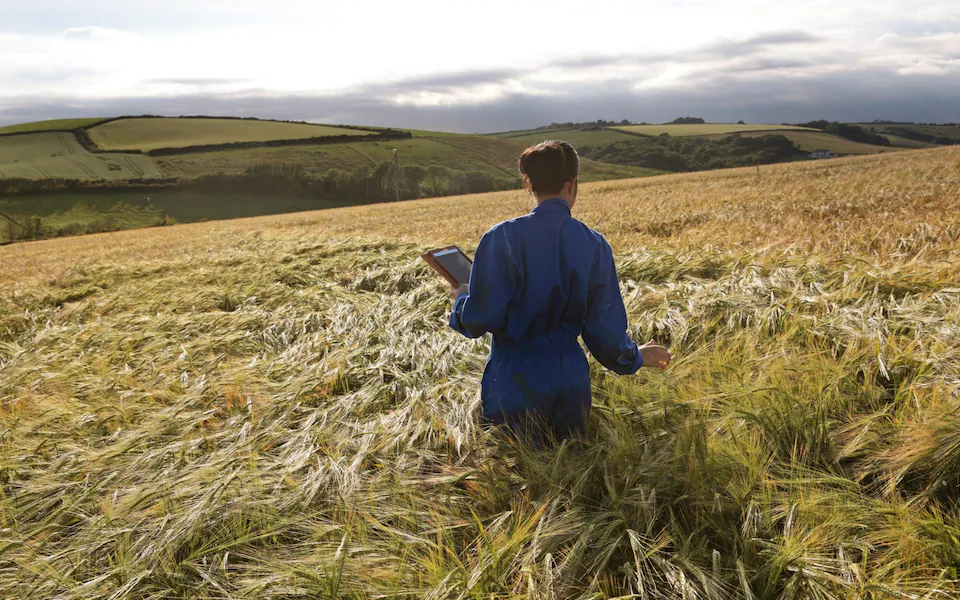
The gene-edited barley, known as a precision-bred organism, was grown and altered by scientists at Rothamsted Research, an agricultural institute in Hertfordshire.
It has been modified to have a single letter of DNA removed from two different genes to switch them off. No genes have been added to its DNA and it is not considered to be genetically modified.
The genes – SDP1A and SDP1B – create enzymes which break down lipids. Turning them off allows the fat molecules to aggregate at higher levels. The mutations are passed down through the generations.
The barley is intended to be fed to livestock to make them grow fatter more quickly and is the first precision-bred organism authorised for sale in Britain. However, Prof Peter Eastmond, a biochemist at Rothamsted Research, will not put the barley up for sale.
This approval, he said, had been a stepping stone for his research as it allowed him to request the ability to feed his crop to cattle from the FSA and conduct further studies.
He estimated that the barley he had created would have around 3 per cent higher lipid content.
“Increasing lipid levels by a few per cent doesn’t give the material a really high lipid content, like avocado or something. It’s a modest effect and we’re not trying to feed them some really unhealthy fatty diet,” Prof Eastmond told The Telegraph.
However, the small increase reduces the time it takes for farmers to raise animals for slaughter and increases the amount of milk and meat they produce to make the industry more profitable.
The gene-edited barley is also able to cut the amount of methane a cow produces, Prof Eastmond said.
Methane is 80 times more potent than carbon dioxide as a greenhouse gas and agriculture is a major emitter, as cows produce this bodily gas in large quantities.
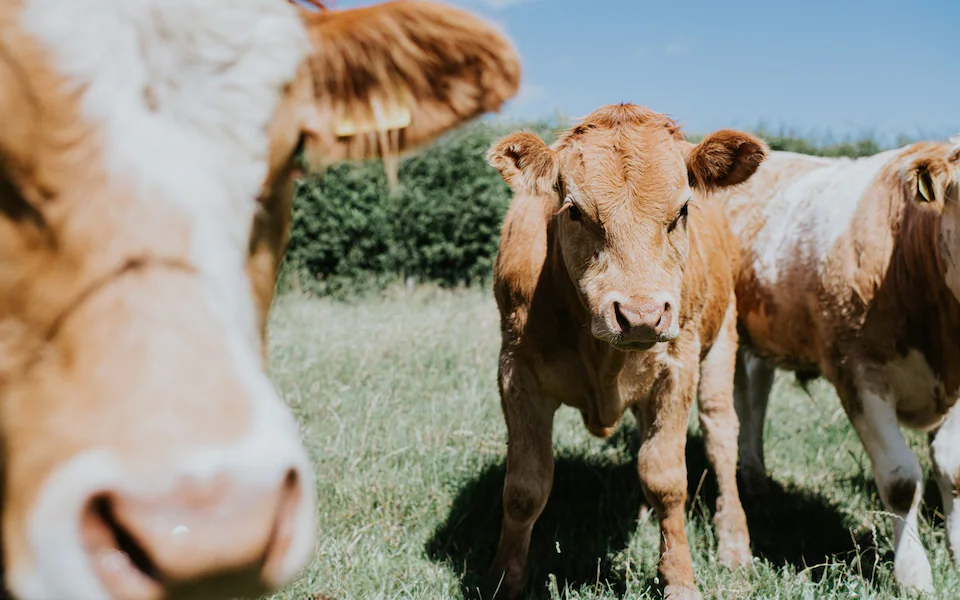
Reducing methane from cattle is a major goal of the industry, and Prof Eastmond estimated his barley could cut the methane output from a single cow by up to 15 per cent.
The two genetic tweaks to the barley are believed to alter the gut bacteria in cows’ stomachs and reduce the amount of methane-generating microbes, cutting the cows’ emissions.
Prof Eastmond hopes to turn the barley into silage and feed it to dairy herds and study their growth and emissions.
He is also working on applying the same two gene edits to rye grass to create pastures and meadows which are lipid-rich and calorie-dense.
This, he said, could lead to entire fields of gene-edited grass which could be grazed by cows, sheep, horses and goats to fatten them up and cut emissions.
“We still need to put this technology into other types of crops, like perennial rye grass, the pasture grass,” Prof Eastmond added.
“It would be better to have this technology in a pasture grass that’s grown to supply the livestock and graze it directly, and that would help farmers provide a richer food source for their livestock.
“We are working on recreating the same edits in rye grass in parallel to the barley project. But that project is further behind as grass is a bit more recalcitrant to these technologies.”
Defra was approached for comment.