

VWs and Audis are trash products anyway, but you shouldn’t deal with a company that does this. I think Jeep, Ram… made it so you had to use their diagnostic systems as well, so you couldn’t use a cheap OBDII device to read codes. From a video I saw on a Ford Truck with a several thousand dollar light repair, they have several computers communicating over a can bus which was just an engineering nightmare to diagnose. Factor in that new cars spy on you worse than your phone, sending several GB of data to the manufacturers, a new connected car just isn’t worth buying, not to mention the ridiculous price tags. And to add insult to injury, dealerships usually can’t keep repair techs of quality, doing inferior work as they scam their own mechanics and customers. And their inferior product will require you to use the dealership too often. So new cars are just not worth the trouble.
https://www.ericpetersautos.com/2026/03/15/time-to-pay-the-component-protection-fee/
By eric
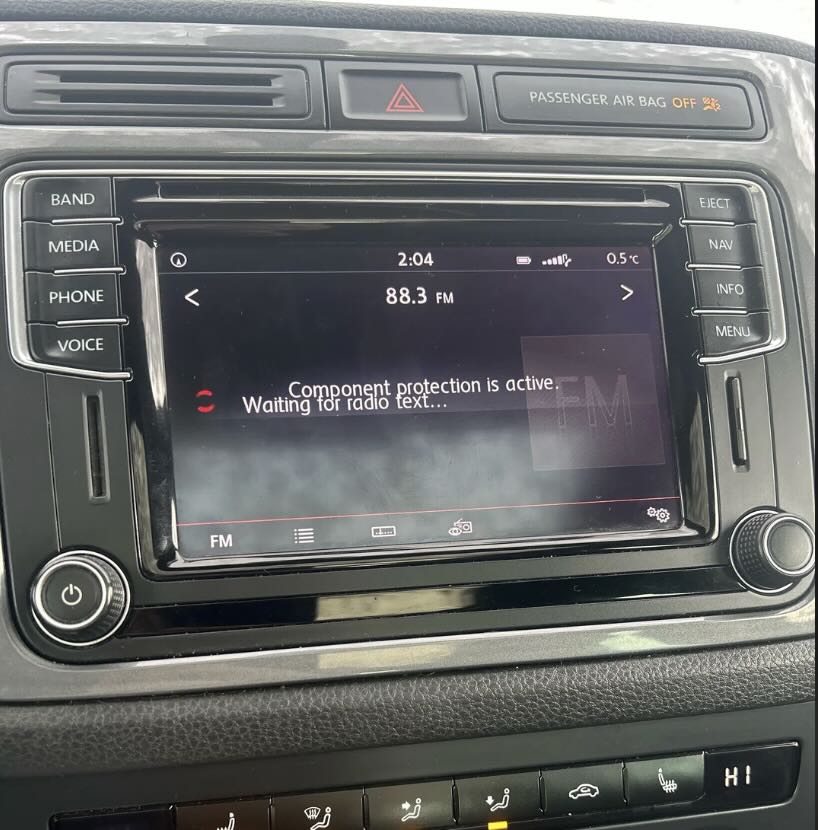
If you needed another reason to shun new cars (it’s weird for me – a guy who loves cars and has been writing about them professionally for decades – to type those words) I have one for you. Just two words, actually:

Component Protection.
This is what VW and Audi call the $300-$500 fee owners of their vehicles must pay to “unlock” the software lock embedded in the vehicle’s inscrutable maze of subroutines so that a used replacement part you bought, such as a body control module (these things control many functions in new vehicles, including the power windows) or the gauges or the replacement stereo you installed will work. The parts you got may be identical, original VW parts and in working order. You – or your independent repair shop – may have installed the part correctly. But they will not work until you cough up the $300-$500 fee to your local VW/Audi dealer, who is the only one that has access to the VW/Audi Hive Mind server that can interface with the inscrutable maze of subroutines in the vehicle, to “unlock” the system.
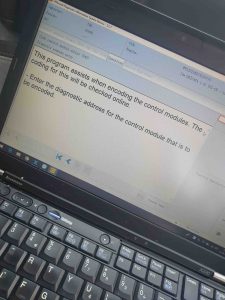
It is of course all for our own good. A theft protection measure, you see. If someone were to take the audio system out of your vehicle, it would be of no use to the thief. But then comes a different sort of thievery.
The idea seems to be to effectively force VW owners to deal with VW dealers since no one else can “unlock” the vehicle’s inscrutable maze of subroutines. It is a kind of private sector iteration of the way the car insurance mafia forces people – effectively – to buy car insurance, at an exorbitant price because that’s what happens when you can’t say no to what you’re effectively forced to buy. The main difference is that in this instance – as regards the “unlocking” – the transaction does not involve the government. That means you at least have the option of not buying a new car that isn’t really yours, because how could it be if you must pay the manufacturer or its dealer network to “unlock” it?
This “unlocking” stuff is not the same thing as paying to get something fixed – because what you’re paying for is permission to be allowed to fix the vehicle. The vehicle you paid for, that is at least in a vague legal sense “yours.”
It is something like having to pay the government a regular fee – the property tax – in order to not be locked out of the house you paid for, that really isn’t your house for just this reason.

It is also a way to make it uneconomical to buy used original and aftermarket replacement parts to repair a vehicle since the money that might have been saved by purchasing a good used or aftermarket part is lost – and probably then some – via the “unlocking” fee you have to pay a dealer in order for it to function. The dealer will of course be happy to sell you a brand-new OEM part for what it would have cost you to buy the less-expensive used or aftermarket part, plus the “unlocking” fee.
And charge you the hourly dealer rate to install it, too.
Obviously, this amounts to an attempt to drive the used and aftermarket parts alternatives (as well as independent shops) out of business, not by the honest method of competition but by the got-you-over-the-barrel method of predation.
VW/Audi is not the only vehicle manufacturer that does this – or something similar to this. One of my professional mechanic friends tells me about the time he installed a new windshield wiper motor in a Ford vehicle and discovered it would not work until it was “paired” with the vehicle – by a Ford dealership computer. The same goes for headlights in some late model vehicles.

Several automakers have made it very expensive for independent shops (and effectively impossible for the do-it-yourselfer) to even figure out what’s wrong with one of their vehicles by hiding the information – the data – behind a paywall. You have to have the “authorized” diagnostic equipment – or pay an exorbitant fee for subscription access to the data. The costs and fees are so high that many independent shops can’t justify paying them because they probably won’t make enough fixing the vehicles to make it worth fixing them. So they tell people who might otherwise have been their customers that they can’t work on that brand of vehicle and they’ll need to take it to a dealership.
You probably have heard about the way John Deere – the tractor company – also effectively forces people who own (sic) John Deere equipment to get it fixed by a John Deere dealer.
It’s very strange and vicious thing to assert de facto ownership over something that has been sold. Yet that is what it amounts to. The assertion is that while you own the vehicle, they still own the code – the proprietary software that runs the thing. Bill Gates was the pioneer of this business model. You buy the box but he – Microsoft owns what’s in the box. If you want to keep on using it, you must pay a licensing fee. The car industry saw this business model and liked it. It being more profitable to sell you a vehicle and then sell you permission to repair it.

There have been efforts to get what are called right to repair laws passed and one did – in Massachusetts – but until the principle is re-established that when a person buys something and has paid for it, it’s his – meaning entirely his own property and not subject to control by some other party – the very concept of ownership will continue to be something less than it ought to be.