

I have a post about the UAE being the seven heads in Revelation along with the crown prince of Dubai possibly being the Antichrist, or Muslim Mahdi (Messiah), so anything involving the UAE is of interest. And Saudi Arabia and the UAE are conducting a proxy war in Sudan as well, but then war is a racket and profitable for those in control, so perhaps they’re not at odds with each other as much as they would have us believe. This article has a video shared by Saudi Arabia, and the bombing doesn’t look like it was terribly effective which makes the whole thing seem even more suspicious.
https://southfront.press/uae-announces-withdrawal-from-yemen-but-saudi-arabia-keeps-pressure-on/
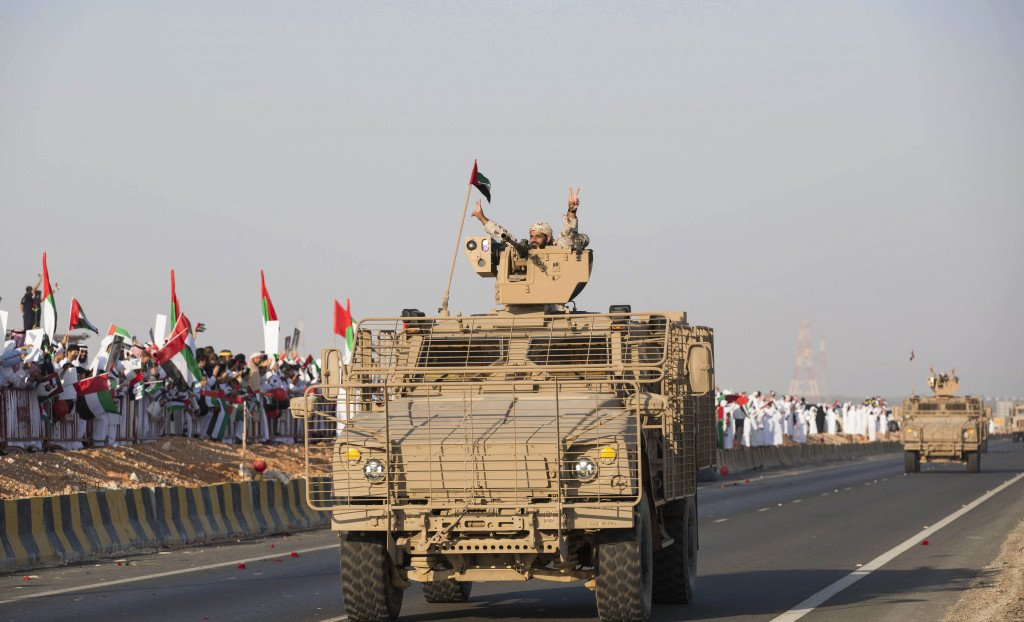
The United Arab Emirates announced on December 30 afternoon that it will end its military presence in Yemen. The announcement came just a few hours after Saudi Arabia launched strikes against allies of Abu Dhabi and called for an Emirate withdrawal from the country within 24 hours.
“The Ministry of Defense affirms that the UAE has participated as part of the Arab Coalition since 2015 in support of legitimacy in Yemen, in backing international efforts to combat terrorist organizations, and in pursuit of security and stability for the brotherly Yemeni people,” the UAE Ministry of Defense said in a statement.
It added that the UAE military concluded its military presence in Yemen in 2019 “after completing the assigned missions within the agreed official frameworks,” noting that the remaining presence “was limited to specialized personnel as part of counterterrorism efforts,” in coordination with relevant international partners.
The ministry also said that the decision to withdraw “remaining counterterrorism personnel in Yemen” followed a comprehensive assessment of the requirements of the current phase and was taken in coordination with relevant partners.
Tensions between Saudi Arabia and the UAE over the situation in Yemen begin to emerge earlier on December 2 when the Southern Transitional Council (STC), backed by Abu Dhabi, launched a military operation across the south of the country, beginning in the Hadhramaut province, which was then under the control of the internationally-recognized government of Yemen allied to Saudi Arabia.
By December 9, the council forces had captured most of the regions comprising the six governorates of the former South Yemen, expanding control along the border with Saudi Arabia.
Saudi Arabia first took action on December 26, conducting a few airstrikes on STC positions in Wadi Nahb in Hadhramaut.
Early on December 30, the kingdom acted again by targeting an Emirate arms shipment to the STC in the Mukalla port in southern Yemen. Following the strikes, Saudi Arabia urged the UAE in an official statement to comply with Yemen’s request to withdraw its forces from Yemeni territories within 24 hours. The demand mirrors an earlier call by Yemen’s Presidential Leadership Council chief Rashad al-Alimi, an ally of the kingdom.
In a statement released before announcing the withdrawal from Yemen, the UAE expressed concern regarding the statement issued by Saudi Arabia and the “fundamental inaccuracies” it contains regarding the Emirate role in Yemen.
“The UAE categorically rejects any attempt to implicate the country in tensions among Yemeni parties and strongly denounces allegations that it exerted pressure on, or issued directives to, any Yemeni party to undertake military operations that would undermine the security of the Kingdom of Saudi Arabia or target its borders,” the statement, published by the state-run Emirates News Agency, reads.
The UAE also reaffirmed “its unwavering commitment to the security and stability of the Kingdom of Saudi Arabia, its full respect for the Kingdom’s sovereignty and national security, and its rejection of any actions that could threaten the security of the Kingdom or the wider region.”
The steps taken by the UAE were not apparently satisfactory enough for Saudi Arabia, which responded by calling on Abu Dhabi to stop any military or financial support to the STC.
After a meeting chaired by King Salman bin Abdulaziz Al Saud, the Saudi cabinet said in a statement that the kingdom will not hesitate to take the necessary measures to confront any threat to its national security.
The statement said that Saudi Arabia reiterated its full support to Yemen’s Presidential Leadership Council and its government, adding that it is committed to Yemen’s stability and sovereignty.
The cabinet also voiced its disappointment that its de-escalation efforts were met with “unjustified escalation” that does not harmonize with the promises made by the UAE to the kingdom.
In addition ,the cabinet voiced hope that “wisdom… and close ties which unite the countries of the Gulf Cooperation Council prevail,” and that the UAE responds to Yemen’s request that its forces withdraw within 24 hours and “stops any military or financial support to the STC or any other party in Yemen.”
While Saudi Arabia and the UAE appear to be on their way to reach some understanding, the kingdom and the STC may be heading towards a confrontation. There are already reports of additional Saudi airstrikes targeting the forces of the council in Hadhramaut.
The crisis has de facto ended the kingdom’s tight alliance with the UAE that was forged by Saudi Crown Prince Mohammed bin Salman Al Saud when he first rose to power in 2015. This will definitely play in favor of other regional actors, especially Turkey and Qatar.
Meanwhile in Yemen itself, the Iran-aligned Houthis (Ansar Allah) stand to gain the most of any confrontation between Saudi Arabia and the STC.